Shackles, particularly Bow Shackles, are integral parts of lifting and rigging systems. These devices connect lifting slings, ropes, and other components to the load, ensuring that the weight is properly distributed and safely lifted. Bow Shackles have a distinctive wide, curved design that makes them ideal for connecting multiple lifting points and handling complex rigging setups. Selecting the correct size of Bow Shackle is essential for the safety of lifting operations, as using a shackle that is either too small or too large can lead to failure or inefficiency.
In this article, we will explore how to properly select the Bow Shackle size based on several factors, including load capacity, pin diameter, material strength, environmental conditions, and common mistakes to avoid.
1. Understanding Shackle Sizing
When choosing the correct shackle size for a lifting operation, it is important to understand how shackle size directly impacts the load capacity and the safety of the operation.
Shackle Size and Load Capacity
The size of a Bow Shackle correlates directly with its Working Load Limit (WLL). The WLL is the maximum weight that the shackle can safely support without failure under normal working conditions. The size of the shackle determines the amount of material used, which in turn affects its strength and ability to handle different loads. For instance, larger shackles have higher WLL ratings, making them suitable for heavier loads.
When selecting a shackle size, always ensure that the WLL is greater than or equal to the weight of the load being lifted. It is important to account for dynamic loads, which can increase the force applied to the shackle during lifting. The WLL should be chosen with a safety margin to account for any potential shock or movement that could occur during the lift.
Pin Diameter and Shackle Size
The pin diameter of a shackle is another important consideration when selecting the right shackle size. The pin connects the shackle to the rigging equipment, and its diameter should be in proportion to the shackle size. A pin that is too small for the shackle can lead to excessive wear, while a pin that is too large could prevent the shackle from being properly secured.
The pin diameter must match the dimensions of the lifting equipment, such as slings or chains, to ensure a secure connection. Additionally, the pin should have a high tensile strength to withstand the applied load without failure.
Shackle Size | WLL Range (Example) | Pin Diameter | Suitable Load Range |
1/4 inch | Up to 1 ton | 1/4 inch | Small loads |
1/2 inch | 2–4 tons | 1/2 inch | Medium loads |
3/4 inch | 6–8 tons | 3/4 inch | Heavy loads |
1 inch | 10–20 tons | 1 inch | Large loads |
How to Choose the Right WLL and Size
To choose the correct size and WLL for a Bow Shackle, follow these steps:
1. Determine the weight of the load: Calculate the total weight to be lifted, including the rigging components and any dynamic loads.
2. Select the WLL: Choose a Bow Shackle with a WLL that exceeds the total load weight. Always consider using a shackle with a higher WLL than required for added safety.
3. Check pin diameter: Ensure that the pin diameter of the shackle is compatible with the rigging setup, such as slings and chains.
2. How to Calculate the Correct Shackle Size
Selecting the correct shackle size for your rigging operation involves understanding the load weight, load distribution, and the specific requirements of your lifting task. Here are the key steps involved in calculating the correct size for a Bow Shackle.
Calculate the Load Weight
To begin, you need to determine the total weight of the load that needs to be lifted. This includes not only the weight of the object itself but also any additional rigging components such as slings, hooks, and other lifting accessories. It is important to calculate the total load that will be applied to the shackle to ensure that the WLL of the shackle is sufficient to support it.
If you are lifting multiple components or using multi-leg slings, you should also consider the load distribution. The load may be distributed evenly across multiple shackles, but you must still calculate the total weight to ensure that each individual shackle can handle the portion of the load it will bear.
Safety Factors in Shackle Sizing
It is important to factor in a safety margin when selecting the shackle size. Rigging operations often involve dynamic forces, such as swinging loads or wind, that can temporarily increase the load on the shackle. To account for these factors, choose a shackle size that provides a higher WLL than the actual load weight. For example, a 10-20% higher WLL than the expected load is commonly recommended to ensure a safety factor.
Additionally, consider environmental factors like corrosion and temperature. If the shackle will be exposed to harsh weather conditions, extreme temperatures, or corrosive environments, choose a shackle that is designed to withstand these elements.
Factor | Considerations |
Load weight | Total weight including rigging components |
Safety margin | 10-20% added to WLL to account for dynamic loads |
Environmental factors | Exposure to corrosion, temperature, and moisture |
3. Factors to Consider When Choosing a Shackle Size
While calculating the correct Bow Shackle size is critical, other factors play an important role in the decision-making process. These include the material type, environmental conditions, and the specific lifting scenario.
Material and Durability
The material of the Bow Shackle plays a significant role in its strength and durability. Shackles are typically made from materials such as carbon steel, alloy steel, or stainless steel. For marine and outdoor environments, stainless steel shackles are recommended because they offer corrosion resistance. For heavy-duty lifting, alloy steel shackles provide enhanced strength and resistance to wear.
Selecting the appropriate material based on the environment and load type will ensure that the shackle maintains its integrity during use and avoids failure due to environmental degradation.
Environmental Considerations
Environmental factors, such as exposure to moisture, saltwater, or high temperatures, must be considered when selecting the right Bow Shackle size. For example, shackles used in marine environments or areas with high humidity must be made from corrosion-resistant materials such as stainless steel. In extreme temperatures, shackles may need to be made from materials that can withstand high or low heat without becoming brittle or weak.
Choosing the appropriate shackle size also involves considering load movement or swings, which could increase the pressure on the shackle during lifting operations. Shackles used in such environments must have a higher safety margin to accommodate these additional dynamic forces.
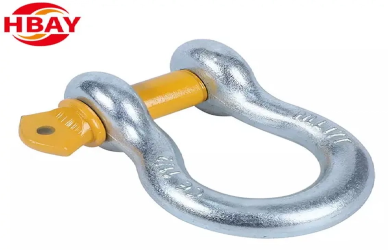
4. Common Mistakes in Shackle Sizing
Selecting the correct Bow Shackle size is essential for ensuring safe lifting operations. However, there are several common mistakes that riggers often make when choosing shackles, which can lead to equipment failure, accidents, or inefficiency.
Overestimating or Underestimating Load Capacity
One of the most common mistakes is either overestimating or underestimating the load capacity of a shackle. Using a shackle that is too small can lead to failure, while using a shackle that is too large can result in inefficiency and unnecessary weight.
Ignoring Manufacturer Specifications
Another mistake is failing to consult the manufacturer specifications for the shackle. Manufacturers provide key information about the WLL, pin diameter, and proper use conditions for each shackle. Ignoring these guidelines can lead to using an inappropriate shackle for the load, resulting in unsafe conditions.
Common Mistakes | Potential Consequences |
Overestimating load capacity | Using too large a shackle, reducing efficiency |
Underestimating load capacity | Overloading the shackle, risking failure |
Ignoring manufacturer specs | Using an inappropriate or unsafe shackle |
Not Accounting for Dynamic Loads
Shackles should be sized to accommodate dynamic loads, which are temporary increases in load due to movement, swinging, or environmental factors. Failing to consider dynamic loads when selecting a shackle size can result in overloading the shackle and compromising safety.
FAQ
1. What size Bow Shackle should I use for a 5-ton load?
For a 5-ton load, choose a Bow Shackle with a WLL of at least 5 tons, though a 6-ton shackle provides an added safety margin.
2. How do I ensure the pin diameter matches the shackle size?
The pin diameter should be consistent with the shackle's size and designed to support the expected load. Always check the pin diameter and shackle compatibility.
3. Can I use a Bow Shackle for multi-leg slings?
Yes, Bow Shackles are ideal for multi-leg slings, as their wide body allows for equal load distribution across multiple attachment points.
4. How often should I inspect my shackles for damage?
Shackles should be inspected regularly, especially after each use. Look for visible damage such as cracks, corrosion, or pin wear, and replace damaged shackles immediately.
Conclusion
Choosing the right Bow Shackle size is crucial for ensuring the safety, reliability, and effectiveness of lifting operations. The correct shackle size ensures that the rigging system can safely handle the load without risking failure or compromising safety. By accurately calculating the load weight, considering appropriate safety margins, and selecting the correct material and size, you ensure that the shackle performs as intended under the expected conditions. It is also essential to factor in dynamic loads, environmental factors, and the specific requirements of each job when choosing the correct size. Always be cautious and avoid common mistakes like overloading, misjudging the load capacity, and ignoring manufacturer guidelines, as these errors can lead to equipment failure, accidents, and potentially severe injuries. Following these best practices will help you maintain a safe, efficient, and long-lasting rigging system. By selecting the right Bow Shackle size and adhering to safety standards, you can ensure the success of every lifting operation, reduce downtime, and protect both workers and equipment from potential harm. Proper shackle sizing is not just a safety requirement, it is also a key factor in optimizing lifting performance and minimizing operational risks.

 English
 العربية
 Français
 Русский
 Español
 Português
 Deutsch
 italiano
 日本語
日本語 한국어
한국어 Nederlands
 Tiếng Việt
 ไทย
ไทย Polski
 Türkçe
 አማርኛ
አማርኛ ພາສາລາວ
 ភាសាខ្មែរ
 Bahasa Melayu
 ဗမာစာ
ဗမာစာ தமிழ்
தமிழ் Filipino
 Bahasa Indonesia
 magyar
 Română
 Čeština
 Монгол
 қазақ
қазақ Српски
 हिन्दी
 فارسی
فارسی Kiswahili
 Slovenčina
 Slovenščina
 Norsk
Norsk Svenska
 українська
 Ελληνικά
 Suomi
Suomi Հայերեն
 עברית
עברית Latine
 Dansk
Dansk اردو
اردو Shqip
Shqip বাংলা
বাংলা Hrvatski
 Afrikaans
 Gaeilge
 नेपाली
 Oluganda


