Shackles are vital components in lifting and rigging applications, used to connect slings, chains, and other equipment for lifting and securing heavy loads. Among the various types of shackles, Bow Shackles and Soft Shackles stand out due to their unique materials, designs, and specific use cases. In this article, we’ll explore the key differences between Soft Shackles and Bow Shackles, helping you make an informed decision on which is the best fit for your lifting tasks.
What is a Soft Shackle?
A Soft Shackle is a type of shackle made from synthetic rope materials, typically high-strength polyester or Dyneema® fibers. Unlike traditional metal shackles, Soft Shackles are designed to be lightweight, flexible, and easy to handle. This makes them an attractive option for various applications, particularly those that require a lighter and more flexible solution.
Key Features of Soft Shackles:
· Material Composition: Soft Shackles are primarily made from synthetic ropes like Dyneema, which is known for its exceptional strength-to-weight ratio. This gives Soft Shackles a high level of strength while keeping them lightweight.
· Flexibility and Lightweight: Soft Shackles are highly flexible and can easily adapt to different shapes, making them suitable for more dynamic rigging tasks. Their lightweight nature also makes them much easier to handle compared to metal shackles.
· Corrosion Resistance: One of the standout features of Soft Shackles is their corrosion resistance. Since they are made of synthetic rope, Soft Shackles are not prone to rusting, which makes them an ideal choice for marine applications or environments exposed to moisture.
· Easy Handling: Due to their softness and lightweight construction, Soft Shackles are easier to handle compared to traditional shackles. They do not require as much effort to maneuver, making them particularly useful for tasks that require frequent adjustments or reconfiguration.
Common Applications of Soft Shackles:
Soft Shackles are used in a wide variety of applications, especially in industries where strength and weight are significant factors. Some common use cases include:
Application | Description |
Marine | Soft Shackles are commonly used in the marine industry for connecting lines to boats, where they help avoid the risk of corrosion while ensuring a secure connection. |
Boating | Due to their lightweight and flexible design, Soft Shackles are ideal for securing ropes on boats or during recreational sailing. |
Lightweight Lifting | Soft Shackles are useful for lighter lifting tasks, where heavy-duty metal shackles are not required. They offer a lighter, more portable solution. |
Outdoor Activities | For outdoor activities like camping, hiking, and climbing, Soft Shackles are used for securing gear or setting up camp structures. |
What is a Bow Shackle?
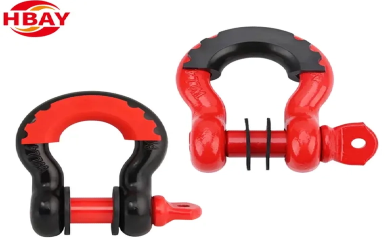
A Bow Shackle, often referred to as an Anchor Shackle, is a traditional type of shackle made from steel, designed to handle heavy-duty lifting tasks. It features a U-shaped body with a curved bow and a pin or bolt that secures the load. Bow Shackles are known for their high strength, durability, and versatility in handling a wide range of applications.
Key Features of Bow Shackles:
· Material Composition: Bow Shackles are typically made from steel alloys, including carbon steel or alloy steel, which provide the strength necessary to handle heavy lifting applications. Some Bow Shackles are coated to protect against rust, while others are forged for added strength.
· Curved Bow Design: The signature feature of the Bow Shackle is its curved bow. This design allows the shackle to distribute the load evenly and handle multi-directional forces. This makes it ideal for various lifting operations that involve different load angles.
· High Load Capacity: Bow Shackles are capable of handling much higher loads than Soft Shackles due to their robust construction and steel composition. They are rated with a working load limit (WLL) that makes them suitable for industrial and heavy-duty tasks.
· Durability: Steel, being a tough and durable material, ensures that Bow Shackles can withstand the wear and tear of challenging environments. This makes them ideal for long-term use in construction, marine, and industrial settings.
Common Applications of Bow Shackles:
Bow Shackles are used primarily in heavy-duty lifting and rigging tasks. Their ability to handle high loads and multi-directional forces makes them suitable for applications where maximum strength and stability are required.
Application | Description |
Construction | Bow Shackles are commonly used in construction sites for lifting heavy loads, such as steel beams or concrete slabs. |
Industrial Lifting | These shackles are perfect for use in factories and warehouses for hoisting large equipment or machinery. |
Marine | Bow Shackles are used in the marine industry to secure anchors, moorings, and other heavy equipment on ships. |
Rigging | In general rigging applications, Bow Shackles are essential for connecting various components like ropes and cables in lifting setups. |
Key Differences Between a Soft Shackle and a Bow Shackle
While both Soft Shackles and Bow Shackles are used to secure loads in rigging applications, they differ in several critical aspects, such as material, strength, flexibility, and application suitability.
Feature | Soft Shackle | Bow Shackle |
Material | Made from synthetic ropes like Dyneema | Made from steel alloys (carbon steel, alloy steel) |
Strength | High strength-to-weight ratio but lower load capacity compared to Bow Shackles | Designed to support heavy loads; high load capacity |
Flexibility | Highly flexible and adaptable to various shapes | Rigid and stable, but less flexible |
Weight | Lightweight, easy to handle | Heavier, made from steel |
Corrosion Resistance | Naturally resistant to corrosion due to synthetic fibers | Prone to rust unless coated or treated |
Safety | Reduced risk of injury due to soft material | Can cause injury if mishandled due to the heavy steel material |
Durability and Load Capacity:
Bow Shackles are far more durable and can handle higher load capacities, making them more suitable for industrial, construction, and marine applications. Their steel construction offers superior resistance to physical stress and long-term wear.
Soft Shackles, on the other hand, are more suitable for lighter applications, as their synthetic rope composition limits their load capacity. While they are strong and durable for most lighter tasks, they are not recommended for heavy-duty or extreme conditions.
Application Suitability:
Bow Shackles are preferred in heavy-duty lifting and industrial environments where strength and durability are crucial. They excel in applications that require the lifting of heavy equipment, machinery, or large loads.
Soft Shackles are typically used in marine and lightweight lifting applications where corrosion resistance and ease of handling are more important than maximum load capacity.
Which One Should You Choose?
The choice between a Soft Shackle and a Bow Shackle depends on several factors, including the load capacity required, flexibility needs, and environmental conditions.
Choose a Soft Shackle if:
You need a lightweight and flexible shackle for securing lighter loads.
Corrosion resistance is critical (e.g., marine environments).
You need a non-metallic option for safety or ease of handling.
Choose a Bow Shackle if:
You are working with heavy-duty lifting tasks that require maximum load-bearing capacity.
Strength and durability are a top priority, especially in industrial, construction, or marine environments.
You need a steel-based solution for maximum security and long-term use.
FAQ:
1. What are Soft Shackles made of?
Soft Shackles are made from synthetic rope materials like Dyneema® or polyester, which offer a high strength-to-weight ratio. These materials are lightweight yet incredibly strong, making Soft Shackles ideal for situations where flexibility, ease of handling, and weight reduction are essential, such as in recreational and lighter lifting applications.
2. Can Soft Shackles be used in heavy-duty applications?
While Soft Shackles are strong, they are not recommended for extremely heavy-duty applications. Their synthetic rope composition limits their load capacity compared to steel shackles. Soft Shackles are better suited for lighter lifting and tasks where the load is not excessively heavy or under extreme tension, such as securing equipment in outdoor settings or in recreational activities.
3. Are Bow Shackles safer than Soft Shackles?
Bow Shackles, made from steel, are highly durable and suitable for heavy-duty lifting, but they can cause injury if mishandled due to their rigid, metallic nature and heavy weight. Soft Shackles, made from synthetic rope, are generally safer to handle because their soft material reduces the risk of cuts or bruises during handling. They are ideal for tasks where safety and ease of use are important, especially in less extreme environments or lighter-duty lifting.
4. Which shackle is better for marine environments?
Soft Shackles are generally better suited for marine environments because of their corrosion resistance. Since they are made of synthetic fibers, they do not rust, unlike steel-based Bow Shackles, which can corrode over time if exposed to moisture. This makes Soft Shackles an ideal option for use in boats, marinas, and other maritime activities where corrosion from saltwater exposure is a concern.
Conclusion
In summary, Soft Shackles and Bow Shackles serve distinct purposes in lifting and rigging applications. Soft Shackles are perfect for lighter, flexible tasks where corrosion resistance and ease of handling are key, whereas Bow Shackles are better suited for heavy-duty lifting tasks where strength, durability, and high load capacity are essential. By understanding the differences between these shackles and considering your specific requirements, you can select the right tool for the job, ensuring safety and efficiency in your lifting operations.

 English
 العربية
 Français
 Русский
 Español
 Português
 Deutsch
 italiano
 日本語
日本語 한국어
한국어 Nederlands
 Tiếng Việt
 ไทย
ไทย Polski
 Türkçe
 አማርኛ
አማርኛ ພາສາລາວ
 ភាសាខ្មែរ
 Bahasa Melayu
 ဗမာစာ
ဗမာစာ தமிழ்
தமிழ் Filipino
 Bahasa Indonesia
 magyar
 Română
 Čeština
 Монгол
 қазақ
қазақ Српски
 हिन्दी
 فارسی
فارسی Kiswahili
 Slovenčina
 Slovenščina
 Norsk
Norsk Svenska
 українська
 Ελληνικά
 Suomi
Suomi Հայերեն
 עברית
עברית Latine
 Dansk
Dansk اردو
اردو Shqip
Shqip বাংলা
বাংলা Hrvatski
 Afrikaans
 Gaeilge
 नेपाली
 Oluganda


