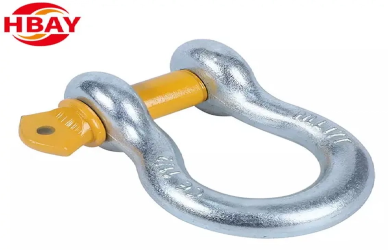
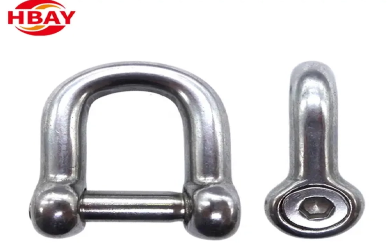
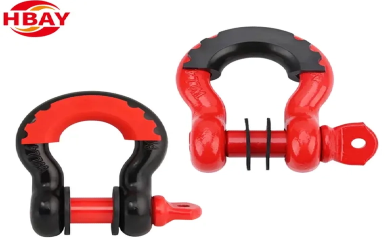
Common types of shackles in engineering include European style large bow shaped shackles, European style large DEE shackles, round headed shackles, square headed shackles, D-shaped shackles, and many other forms. When selecting the type of shackle, it is necessary to consider the actual work scenari
For vehicle enthusiasts and owners looking to elevate their ride’s style and performance, suspension upgrades often top the list of modifications. Among the most popular and practical options is the drop shackle—a component that balances aesthetic appeal with functional benefits, especially for trucks and SUVs. If you’ve wondered how to achieve a lower, more aggressive stance or improve your vehicle’s handling without a full suspension overhaul, drop shackles are worth exploring. In this guide, we’ll break down what drop shackles are, how they work, their key types and benefits, installation basics, and even touch on their related counterpart, the bow shackle.
For car enthusiasts and off-road adventurers alike, few modifications blend style and functionality as seamlessly as the right suspension upgrade. If you’re craving a more aggressive vehicle stance or looking to enhance handling and clearance, you’ve likely stumbled upon the term “drop shackle.” But what exactly is this component, how does it transform your ride, and how does it differ from related parts like the “bow shackle”? In this guide, we’ll break down everything you need to know about drop shackles—from their core design to real-world benefits and expert insights.
Accurate shackle size measurement is a critical step in ensuring safety, compatibility, and optimal performance across lifting, rigging, and maritime applications. Shackles, as essential connecting components, come in various types—with bow shackles standing out as versatile workhorses for multi-directional loads. Whether you’re replacing a worn shackle, selecting components for a new rigging system, or ensuring compliance with industry standards, knowing how to measure shackle size correctly can prevent equipment failure, reduce accident risks, and guarantee that your setup handles intended loads effectively. This comprehensive guide breaks down the process step by step, covering tools, techniques, type-specific considerations, and expert insights to help you master shackle measurement.
Common types of shackles in engineering include European style large bow shaped shackles, European style large DEE shackles, round headed shackles, square headed shackles, D-shaped shackles, and many other forms. When selecting the type of shackle, it is necessary to consider the actual work scenari
For vehicle enthusiasts and owners looking to elevate their ride’s style and performance, suspension upgrades often top the list of modifications. Among the most popular and practical options is the drop shackle—a component that balances aesthetic appeal with functional benefits, especially for trucks and SUVs. If you’ve wondered how to achieve a lower, more aggressive stance or improve your vehicle’s handling without a full suspension overhaul, drop shackles are worth exploring. In this guide, we’ll break down what drop shackles are, how they work, their key types and benefits, installation basics, and even touch on their related counterpart, the bow shackle.
For car enthusiasts and off-road adventurers alike, few modifications blend style and functionality as seamlessly as the right suspension upgrade. If you’re craving a more aggressive vehicle stance or looking to enhance handling and clearance, you’ve likely stumbled upon the term “drop shackle.” But what exactly is this component, how does it transform your ride, and how does it differ from related parts like the “bow shackle”? In this guide, we’ll break down everything you need to know about drop shackles—from their core design to real-world benefits and expert insights.
Accurate shackle size measurement is a critical step in ensuring safety, compatibility, and optimal performance across lifting, rigging, and maritime applications. Shackles, as essential connecting components, come in various types—with bow shackles standing out as versatile workhorses for multi-directional loads. Whether you’re replacing a worn shackle, selecting components for a new rigging system, or ensuring compliance with industry standards, knowing how to measure shackle size correctly can prevent equipment failure, reduce accident risks, and guarantee that your setup handles intended loads effectively. This comprehensive guide breaks down the process step by step, covering tools, techniques, type-specific considerations, and expert insights to help you master shackle measurement.
When people ask “How long is a shackle?”, they usually mean one of two very different things: The length of a shackle of anchor chain (a traditional nautical unit). The physical size of the metal shackle used in lifting, rigging, or anchoring. Confusing these two can lead to costly mistakes, unsafe anchors, or mismatched rigging gear. This guide explains both meanings in plain language, shows how a bow shackle differs from other types, and gives practical tips on measurement, selection, and safety.
If you’re tired of heavy, corroded metal shackles that scratch gear or pose safety risks, a soft shackle is your ideal solution. Lightweight, flexible, and corrosion-resistant, soft shackles have become a go-to for marine enthusiasts, campers, off-roaders, and DIYers alike. Unlike traditional bow shackles—metal hardware designed for heavy fixed loads—soft shackles offer versatility and safety without sacrificing strength. In this comprehensive guide, we’ll walk you through crafting your own durable soft shackle, with expert insights, step-by-step instructions, and detailed measurements for different rope sizes to ensure precision.
Shackles are the unsung heroes of rigging, lifting, and load-securing operations—small yet robust U-shaped connectors that keep industries moving safely. Whether you’re hoisting steel beams on a construction site, mooring a vessel offshore, or rigging stage equipment for a concert, these versatile tools form the critical link between lifting gear and loads. Among the various types, the bow shackle stands out for its flexibility in handling multi-directional forces, making it a staple in high-stakes applications. Understanding how shackles work, their key types (especially bow shackles), and safety best practices is essential to avoid accidents, protect equipment, and ensure operational efficiency.
In industries ranging from construction and marine operations to agriculture and rigging, two U-shaped mechanical connectors often take center stage: shackles and clevises. While their similar designs lead many to use the terms interchangeably, understanding their distinct purposes, strengths, and limitations is critical for safety, efficiency, and compliance with industry standards. This guide dives deep into the differences between shackles and clevises, with a focus on the versatile shackle—including its popular variant, the bow shackle—and why choosing the right connector can make or break your operations.