Shackles are essential components in the world of lifting and rigging, serving as connectors for slings, ropes, chains, and other lifting equipment. Among the various types of shackles used for heavy-duty applications, the Bow Shackle stands out as one of the most widely used and versatile. With its unique design and numerous advantages, the Bow Shackle is a popular choice for various rigging tasks in industries ranging from construction to marine. This article will delve into what makes the Bow Shackle the most widely used type, its key features, applications, and how it compares to other common shackles.
1.What Is a Bow Shackle?
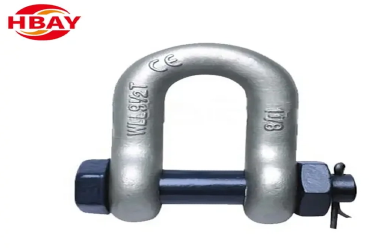
A Bow Shackle, also referred to as an Anchor Shackle, is a U-shaped fastener designed for use in lifting and rigging tasks. It consists of a curved body with a pin or bolt securing the load. The most distinctive feature of a Bow Shackle is its rounded bow, which differentiates it from other types of shackles, such as the D Shackle.
Key Features of Bow Shackles:
· Curved Design: The rounded bow shape provides a larger contact area, which helps to evenly distribute the load. This design is perfect for applications that require connecting multiple legs of a sling.
· Material: Bow Shackles are typically made from steel alloys, such as carbon steel or stainless steel, ensuring high strength and durability to withstand harsh conditions.
· Pin Types: Bow Shackles are available with various pin types, such as screw pins, cotter pins, and detachable pins. The screw pin design is commonly used for quick assembly and disassembly.
· Load Capacity: These shackles come in different sizes and load ratings, allowing them to handle a wide range of lifting tasks from moderate to heavy-duty applications.
2.Why Is the Bow Shackle the Most Widely Used Type?
The Bow Shackle is the most widely used type of shackle due to its versatility, ease of use, and strength. Its curved design allows it to handle loads from different directions, making it suitable for a wide range of rigging and lifting tasks. It can be used in single-leg and multi-leg connections, making it highly adaptable for various applications.
Table: Advantages of Bow Shackles
Feature | Bow Shackle | D Shackle |
Shape | Curved body with wide radius, handles multi-directional loads | Straight design, ideal for single-leg connections |
Load Distribution | Distributes load evenly, suitable for multi-leg slings | More focused on single-line lifting |
Strength | High strength, available in multiple load ratings | Strong, but typically lower capacity compared to Bow Shackles |
Versatility | Versatile, ideal for multiple lifting angles and applications | Best for straight pulls with limited direction change |
Bow Shackles in Rigging
The Bow Shackle's unique shape allows it to be used in multiple rigging configurations. It is a critical component in various rigging setups where flexibility and load distribution are key. Whether used for lifting large beams in construction or securing anchors in maritime environments, the Bow Shackle’s adaptability is unparalleled.
3.Bow Shackle vs Other Common Shackle Types
While the Bow Shackle is highly popular, there are other types of shackles, such as the D Shackle (also known as a Chain Shackle) and Wide Body Shackles, which serve specific purposes in lifting and rigging tasks. Understanding the differences between these shackles helps in selecting the right one for each job.
Bow Shackle vs D Shackle
· Shape: The D Shackle has a more compact and straight design, making it suitable for straight-line pulls, whereas the Bow Shackle has a curved body that can accommodate multiple lifting points or sling legs.
· Application: The Bow Shackle is more suitable for general rigging applications, including those involving multi-leg slings, whereas the D Shackle is often used for single-line lifting where space is tight or where a more compact shackle is required.
Bow Shackle vs Wide Body Shackle
· Load Capacity: While both shackles are designed for heavy-duty applications, the Wide Body Shackle has a larger and more robust design, making it better for handling extremely high loads. However, the Bow Shackle remains more versatile and easier to use in various lifting setups.
· Flexibility: The Bow Shackle’s curved design allows it to be more adaptable to different rigging configurations, while the Wide Body Shackle is more suitable for concentrated load scenarios.
4.Common Applications of Bow Shackles
The Bow Shackle is incredibly versatile and is used across numerous industries for a variety of applications. Below are some common uses of Bow Shackles:
Application | Description |
Construction Lifting | Used to connect lifting slings to equipment such as cranes, hoists, or beams. |
Marine and Mooring | Essential for securing anchors, ropes, and cables on boats, ships, and marine platforms. |
Heavy Equipment Lifting | Commonly used to secure chains to heavy machinery and large construction materials. |
Towing | Used in towing operations, such as pulling vehicles or heavy objects. |
Logistics and Cargo Securing | Helps secure cargo during transport, ensuring loads remain stable during movement. |
5.How to Choose the Right Bow Shackle
Selecting the right Bow Shackle is crucial for ensuring the safety and effectiveness of lifting and rigging operations. Below are key factors to consider when choosing a Bow Shackle:
1. Working Load Limit (WLL): Always ensure that the Bow Shackle’s WLL is sufficient for the task at hand. Choosing a shackle with a WLL greater than the maximum expected load is critical for safety.
2. Size and Pin Diameter: Match the Bow Shackle’s size and pin diameter to the equipment and load it will be used with. Ensure the pin is compatible with the lifting system, whether it’s a chain, rope, or wire.
3. Material and Finish: Consider the environment in which the Bow Shackle will be used. For marine applications, stainless steel or galvanized options provide corrosion resistance. In industrial settings, carbon steel may be preferred for its strength.
4. Compliance and Certification: Ensure that the Bow Shackle meets relevant safety standards and is certified for the specific application, such as ISO, ASME, or other industry standards.
6.Common Mistakes to Avoid When Using Bow Shackles
When using Bow Shackles, it's essential to follow proper guidelines to ensure safety and effectiveness. Below are some of the most common mistakes to avoid in order to prevent accidents, equipment failure, or damage to the shackle itself.
Using the Wrong Shackle Size
One of the most common mistakes in rigging operations is choosing the wrong shackle size. Using a Bow Shackle that is too small or too large for the intended load can cause severe issues. If the shackle is too small, it may not be able to safely handle the load, increasing the risk of failure. On the other hand, a shackle that is too large may not properly fit into the rigging system, resulting in an insecure connection and potential shifting of the load.
· How to Avoid: Always select a Bow Shackle with a working load limit (WLL) that exceeds the load you are lifting. Ensure that the shackle’s pin diameter matches the connection point and that it fits snugly in your rigging configuration.
Side Loading
Side loading occurs when a Bow Shackle is subjected to forces that are not aligned with its natural axis. This misalignment can cause excessive stress on the shackle, potentially leading to deformation, cracking, or failure. Bow Shackles are designed to handle loads applied along their central axis, and applying force at an angle can compromise their integrity.
· How to Avoid: Always ensure that the load is applied directly along the shackle's natural axis. If side loading is inevitable, consider using a different type of shackle, such as a D Shackle, or adjust the rigging configuration to better align the load.
Overloading
Exceeding the working load limit (WLL) of a Bow Shackle is one of the most dangerous mistakes that can lead to catastrophic failures. Overloading a shackle causes the material to deform, weaken, or fail entirely, which can result in serious injuries or accidents. The WLL indicates the maximum weight the shackle is designed to handle under standard operating conditions.
How to Avoid: Always double-check the WLL of the Bow Shackle before use. If the weight exceeds the recommended capacity, opt for a larger shackle or use multiple shackles to distribute the load more evenly.
Failure to Inspect
Regular inspection of Bow Shackles is crucial to ensure that they are in optimal condition before each use. Over time, shackles can develop signs of wear, cracks, corrosion, or other damage that can compromise their strength and safety. Failing to inspect shackles before use can result in using damaged equipment, which may lead to failure during operation.
How to Avoid: Perform thorough visual inspections for any signs of wear, cracking, corrosion, or deformation before each use. Check that the pin is properly secured and that the shackle is in good working condition. Implement a regular maintenance and inspection schedule to ensure the longevity and reliability of your rigging components.
FAQ:
1. Why is the Bow Shackle considered the most widely used type of shackle?
The Bow Shackle is highly versatile and can handle multi-directional loads. Its curved design allows it to be used in multiple rigging configurations, making it suitable for various lifting tasks across industries.
2. How do I determine the correct size for a Bow Shackle?
The correct Bow Shackle size depends on the load capacity required for your lifting task. Always check the working load limit (WLL) of the shackle and ensure it is suitable for the intended load.
3. Can Bow Shackles be used for marine applications?
Yes, Bow Shackles are commonly used in marine applications for tasks such as securing anchors, moorings, and rigging lines. For marine environments, stainless steel or galvanized Bow Shackles are ideal due to their corrosion resistance.
4. What is the difference between a Bow Shackle and a D Shackle?
While both types of shackles serve similar purposes, a Bow Shackle has a wider, curved body that allows for better load distribution and multi-leg connections. A D Shackle is typically more compact and suited for single-leg applications or straight-line pulls.
Conclusion
The Bow Shackle is the most widely used type of shackle in lifting and rigging operations due to its versatility, strength, and ease of use. Its curved design makes it ideal for connecting slings and ropes in a variety of configurations, making it a top choice for industries such as construction, marine, and logistics. When selecting a Bow Shackle, consider the load capacity, material, size, and application environment to ensure the right fit. By following proper safety protocols and avoiding common mistakes, you can ensure that your rigging tasks are completed safely and effectively.

 English
 العربية
 Français
 Русский
 Español
 Português
 Deutsch
 italiano
 日本語
日本語 한국어
한국어 Nederlands
 Tiếng Việt
 ไทย
ไทย Polski
 Türkçe
 አማርኛ
አማርኛ ພາສາລາວ
 ភាសាខ្មែរ
 Bahasa Melayu
 ဗမာစာ
ဗမာစာ தமிழ்
தமிழ் Filipino
 Bahasa Indonesia
 magyar
 Română
 Čeština
 Монгол
 қазақ
қазақ Српски
 हिन्दी
 فارسی
فارسی Kiswahili
 Slovenčina
 Slovenščina
 Norsk
Norsk Svenska
 українська
 Ελληνικά
 Suomi
Suomi Հայերեն
 עברית
עברית Latine
 Dansk
Dansk اردو
اردو Shqip
Shqip বাংলা
বাংলা Hrvatski
 Afrikaans
 Gaeilge
 नेपाली
 Oluganda


