The 10-foot rule in rigging is a fundamental safety standard that ensures workers remain at a safe distance from loads during lifting operations. This rule is designed to minimize the risk of accidents or injuries caused by falling or shifting loads, providing a clear and enforceable safety perimeter around lifting zones. By understanding and implementing the 10-foot rule, rigging teams can create safer work environments, protect personnel, and comply with industry safety standards.
In this article, we will explore the 10-foot rule in depth, its importance in rigging, how to implement it effectively, and when exceptions may apply. Additionally, we will examine how it relates to the use of equipment like Bow Shackles, which are often used in lifting operations.
1.What is the 10 Foot Rule in Rigging?
The 10-foot rule refers to the safe distance that workers must maintain from the load during lifting operations, generally set at a minimum of 10 feet. This distance helps to prevent workers from being struck by falling, shifting, or swinging loads, which are common risks in rigging and lifting activities. The rule applies to all workers who are in or near the area of the load, and it is especially crucial in environments with heavy equipment like cranes or hoists.
Definition of the 10 Foot Rule
The 10-foot rule mandates that no worker should be within 10 feet of any load being lifted or suspended. This distance is designed to keep workers out of the danger zone, where they could be injured if the load were to shift, fall, or swing uncontrollably. The distance may be increased if the load is particularly large, heavy, or unstable.
Purpose of the 10 Foot Rule
The primary purpose of the 10-foot rule is to protect personnel from being struck by a falling object or injured by a load shifting unexpectedly. This precautionary measure helps ensure that workers are kept out of harm’s way during lifting activities, especially when overhead loads are involved.
Additionally, the 10-foot rule is a preventive measure against load swing caused by wind, sudden shifts, or improper rigging, ensuring workers are not within the range of potentially dangerous loads.
Applicability to Various Rigging Operations
The 10-foot rule applies to a variety of rigging and lifting operations. It is relevant in both construction sites, where heavy equipment and materials are often hoisted, and marine operations, where large loads need to be secured or lifted in high-risk environments. In each of these scenarios, the 10-foot rule ensures the safety of all personnel within the work zone.
2.Why Is the 10 Foot Rule Important?
Understanding the importance of the 10-foot rule is critical for anyone working in or around lifting operations. The 10-foot rule provides several layers of protection and significantly reduces the risk of serious accidents or injuries. By maintaining a safe distance from the load being lifted, workers are protected from potential hazards, ensuring a safer work environment for everyone involved.
Protection from Falling Objects
One of the key benefits of the 10-foot rule is that it helps protect workers from falling objects, which are one of the leading causes of injuries in construction and rigging environments. When workers are kept at least 10 feet away from a suspended load, the likelihood of being struck by a falling object is greatly reduced. Even in a well-secured lifting operation, there’s always the risk that objects could unexpectedly fall, and the 10-foot safety perimeter provides an effective buffer zone to reduce that risk.
Reducing Risk of Being Struck by a Load
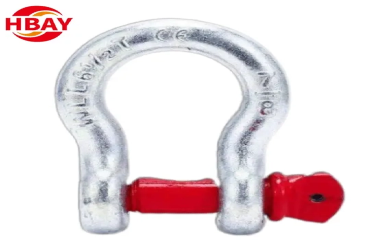
Apart from falling objects, workers are also at risk of being struck by loads that may swing or shift unexpectedly. The 10-foot distance ensures that workers are not in the path of the load if it shifts due to wind, equipment malfunction, or human error. The Bow Shackle and other rigging components, if not properly secured, can cause the load to swing unpredictably. Maintaining a safe distance from the load mitigates such risks, ensuring that workers are not caught in the swing path of a heavy load.
Safe Work Zones for Rigging Teams
By enforcing a 10-foot radius around lifting operations, the 10-foot rule helps establish safe work zones. These zones protect rigging teams and other workers from potential accidents by keeping them out of the danger zone. It also ensures that the rigging team has a clear area to operate without interference from other personnel in the surrounding vicinity. This reduces the chance of human error and helps streamline the rigging process. Moreover, safe work zones provide better communication between team members, improving the overall safety and efficiency of the operation.
3.How to Implement the 10 Foot Rule
To ensure the success of the 10-foot rule, it is important to implement a clear system that allows workers to maintain a safe distance while the load is being lifted. This can be achieved through several methods, including establishing safe work zones, communicating with the rigging team, and using barriers or signage.
Establishing a Safe Work Zone
The first step in implementing the 10-foot rule is establishing a safe work zone. This zone should extend a minimum of 10 feet from the load in all directions. In high-risk environments, such as lifting large equipment or lifting in high winds, this distance should be increased to ensure added protection. The work zone should be clearly marked, and personnel should be trained on the importance of maintaining distance during rigging operations.
Communication with the Rigging Team
Effective communication is key to the successful implementation of the 10-foot rule. Rigging teams should be well-versed in the safety requirements and clearly understand the perimeter they must maintain. This involves both verbal communication during rigging setup and visual cues like flags or lights to indicate when lifting operations are in progress. Communication also includes notifying other workers in the area to stay clear during operations.
Use of Barricades and Signage
To reinforce the 10-foot safety perimeter, barricades or signage should be used to mark the safe zone. These can include cones, ropes, or physical barriers that block access to the area within the 10-foot radius. Proper signage, such as warning signs or flags, should be placed to clearly indicate the hazard zone and prevent accidental entry.
4.Exceptions and Considerations to the 10 Foot Rule
While the 10-foot rule is a fundamental safety guideline, there are instances where modifications may be necessary. In some special cases, the 10-foot rule can be adjusted depending on specific equipment, site conditions, or the nature of the lifting operation.
Special Equipment and Procedures
Some lifting operations may require special equipment or procedures that could alter the 10-foot rule. For example, cranes with long booms may require a larger exclusion zone due to the extended reach of the load. Additionally, the Bow Shackle used in the rigging may create specific safety concerns, requiring additional distance or precautions.
High-Risk Environments
In environments with extreme conditions, such as high winds, unstable surfaces, or poor visibility, the 10-foot rule may need to be increased to account for additional hazards. Extra precautions, such as additional support structures or more personnel to monitor the lift, may also be required to maintain safety.
FAQ
1. What does the 10-foot rule in rigging refer to?
The 10-foot rule in rigging refers to the safety distance workers must maintain from the load during lifting operations, typically a minimum of 10 feet, to reduce the risk of accidents.
2. Can the 10-foot rule be modified in certain situations?
Yes, in some cases, such as with high-risk environments or special lifting equipment, the 10-foot rule can be modified, and the safety distance may be increased to ensure greater protection.
3. How can workers ensure they comply with the 10-foot rule?
Workers can ensure compliance by staying outside the marked safety zones, communicating clearly with the rigging team, and using physical barriers or signage to reinforce the safe distance.
4. Is the 10-foot rule applicable only to crane operations?
No, the 10-foot rule is applicable to a variety of rigging and lifting operations, including those involving cranes, hoists, or any lifting equipment. It ensures the safety of workers in any lifting scenario where a load is suspended overhead.
Conclusion
The 10-foot rule is an essential safety measure in rigging and lifting operations, designed to protect workers from falling objects, shifting loads, and other potential hazards that can occur during lifting activities. By maintaining a minimum distance of 10 feet from the load, the risk of injury or accident is significantly reduced, ensuring a safer work environment. This safety protocol is crucial not only for protecting the personnel directly involved in the lifting process but also for keeping everyone in the vicinity out of harm’s way.
Ensuring that the 10-foot rule is consistently applied and effectively communicated to all personnel is critical for maintaining a safe and efficient lifting environment. This includes marking the safety zones clearly, using appropriate barriers, and regularly reminding workers of the importance of staying clear of the load. While exceptions may apply in certain situations, such as when using specialized equipment or in high-risk environments, the overall goal remains the same: to provide a safe and controlled environment for all lifting operations. By adhering to this rule, teams can minimize the likelihood of accidents, improve operational efficiency, and ensure that safety is always the top priority during rigging and lifting tasks.

 English
 العربية
 Français
 Русский
 Español
 Português
 Deutsch
 italiano
 日本語
日本語 한국어
한국어 Nederlands
 Tiếng Việt
 ไทย
ไทย Polski
 Türkçe
 አማርኛ
አማርኛ ພາສາລາວ
 ភាសាខ្មែរ
 Bahasa Melayu
 ဗမာစာ
ဗမာစာ தமிழ்
தமிழ் Filipino
 Bahasa Indonesia
 magyar
 Română
 Čeština
 Монгол
 қазақ
қазақ Српски
 हिन्दी
 فارسی
فارسی Kiswahili
 Slovenčina
 Slovenščina
 Norsk
Norsk Svenska
 українська
 Ελληνικά
 Suomi
Suomi Հայերեն
 עברית
עברית Latine
 Dansk
Dansk اردو
اردو Shqip
Shqip বাংলা
বাংলা Hrvatski
 Afrikaans
 Gaeilge
 नेपाली
 Oluganda


