Bow Shackles and Wide Body Shackles are essential components in the world of lifting and rigging, serving as key links in connecting various lifting equipment. Both types of shackles are used to connect chains, ropes, and slings to lifting devices, ensuring safe and secure load handling. The Bow Shackle features a curved, wide body design, making it ideal for multi-directional loads and versatile use in different rigging applications. On the other hand, the Wide Body Shackle has a thicker and wider design, specifically engineered to withstand heavy-duty, concentrated loads, providing additional strength and stability in more demanding environments. Both shackles are critical in industries like construction, marine, and heavy manufacturing, where reliable load-bearing and safety are paramount. Understanding the differences between these shackles helps in selecting the right one for the job, enhancing the overall safety and efficiency of lifting operations.
1.What is a Bow Shackle?
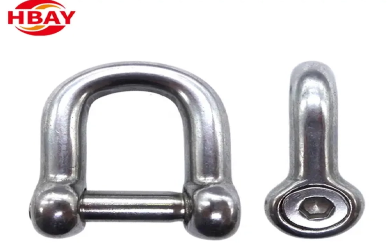
A Bow Shackle is a type of fastening device commonly used in rigging and lifting applications. It consists of a U-shaped body with a curved bow, a pin or bolt for securing it, and is designed to be used with chains, ropes, or slings. The bow’s wide design allows it to connect multiple lifting points, making it versatile for various rigging tasks.
Key Features:
Curved Bow Design: The defining feature of a Bow Shackle is its large, curved body. This design allows for the shackle to accommodate loads from multiple directions, making it ideal for situations where load direction may vary.
Ideal for Multi-Directional Loads: Unlike other shackles with more rigid shapes, Bow Shackles can handle forces from different angles without experiencing undue stress or bending, making them more versatile in dynamic lifting scenarios.
Common Applications:
Lifting: Used extensively in construction and industrial lifting, Bow Shackles can securely attach lifting equipment to the load, ensuring stability during hoisting.
Marine: In marine environments, Bow Shackles are used to connect anchor chains, ropes, and other equipment, providing a reliable connection that can handle the stresses of water-based operations.
Logistics: These shackles are essential in securing cargo during transportation, especially when multi-point connections are needed for balanced load distribution.
2.What is a Wide Body Shackle?
A Wide Body Shackle is a type of heavy-duty shackle specifically designed to handle large and concentrated loads. It features a broader, thicker body compared to other shackles, making it suitable for high-capacity and high-stress lifting applications.
Key Features:
Wider Body Design: The shackle’s body is wider and more robust, allowing it to handle larger and heavier loads with increased safety. This design helps to distribute the load evenly and prevents the shackle from bending or deforming under stress.
Enhanced Load Capacity and Stability: The wider body provides a greater surface area for load distribution, making Wide Body Shackles ideal for supporting extremely heavy or high-tension loads. This increased stability reduces the risk of failure, ensuring safe lifting in demanding environments.
Common Applications:
Heavy-Duty Lifting: Wide Body Shackles are commonly used in industries that require the lifting of heavy machinery, equipment, or structural components. Their durable construction ensures they can safely manage large loads during lifting operations.
Industrial Hoisting: These shackles are widely employed in industrial hoisting applications, connecting cranes or hoists to heavy loads. The design of the Wide Body Shackle ensures a secure, stable connection for lifting tasks in challenging environments.
The Wide Body Shackle is an essential component for high-capacity lifting operations, offering unmatched strength and reliability for industrial applications.
3.Key Differences Between a Bow Shackle and a Wide Body Shackle
Shape Difference:
Bow Shackle: The Bow Shackle features a curved bow design, which gives it a more compact and rounded shape. This shape allows it to handle loads from multiple directions without significant strain on the shackle.
Wide Body Shackle: In contrast, the Wide Body Shackle has a broader, thicker body, offering more surface area for load distribution. The wider design increases the shackle’s strength and load-bearing capacity, making it more suited for heavy-duty applications.
Load Capacity Difference:
Bow Shackle: While Bow Shackles can handle a variety of loads, they are typically better suited for lighter to medium-duty applications. Their curved design allows them to distribute forces more evenly, but their overall load capacity is not as high as the Wide Body Shackle.
Wide Body Shackle: Wide Body Shackles are built to handle significantly higher loads. Their wider body design enables them to support more weight, making them ideal for extreme applications that require robust load-bearing capabilities, such as lifting large machinery or structural components.
Application Difference:
Bow Shackle: Due to its versatile design, the Bow Shackle is perfect for handling multi-directional forces. It is commonly used in applications where the load may change direction, such as in general lifting, marine operations, and logistics, where different load angles are encountered.
Wide Body Shackle: On the other hand, the Wide Body Shackle is specifically designed for applications that involve concentrated loads. It is ideal for heavy-duty lifting tasks, where the load is focused in a single direction, such as industrial hoisting and construction projects.
Durability and Strength:
Bow Shackle: While Bow Shackles are strong and reliable, they are generally more suited to lighter or moderate lifting tasks. Their design ensures they can handle various lifting needs, but they may not be as durable under extreme pressure as the Wide Body Shackle.
Wide Body Shackle: With its reinforced and thicker body, the Wide Body Shackle offers superior resistance to heavy pressure. It is designed to withstand high-stress, heavy-duty environments, making it more durable and capable of enduring extreme loads without failure.
4.Which One Should You Choose?
Selecting the right shackle for your rigging or lifting application is essential to ensure safety, efficiency, and reliability. The choice between a Bow Shackle and a Wide Body Shackle depends on several factors, including the load size, type of connection, and specific application requirements.
Load Size and Capacity
Bow Shackle: If your application involves moderate loads and multi-directional forces, a Bow Shackle is a good choice. It is suitable for general lifting tasks where the load is relatively light to medium and can change direction during lifting. Bow Shackles are also ideal when you need a shackle that accommodates various lifting angles.
Wide Body Shackle: For heavy-duty lifting tasks or applications involving high, concentrated loads, a Wide Body Shackle is the better choice. The increased thickness and wider body design allow it to support significantly higher loads, making it suitable for industrial or construction tasks, hoisting large equipment, and heavy machinery.
Type of Connection
Bow Shackle: This shackle type is commonly used for multi-point connections where a versatile, stable connection is needed. Its curved design allows it to handle various types of connections, making it ideal for applications like marine lifting, where the load may shift or have varying angles.
Wide Body Shackle: If your lifting task involves a single-point connection and concentrated forces, the Wide Body Shackle provides more stability. Its wider body ensures that the load is evenly distributed, making it the preferred choice for heavy lifting in industrial settings where concentrated, direct load application is common.
Application Requirements
Bow Shackle: Choose a Bow Shackle for general-purpose rigging tasks, such as construction, marine operations, and logistics, where the load can vary in direction. It is ideal for multi-directional lifting, securing cargo, or connecting multiple slings or ropes.
Wide Body Shackle: For heavy lifting, industrial hoisting, and other high-stress applications, the Wide Body Shackle is more appropriate. It's designed to handle extreme pressures and heavy loads in environments like mining, oil rigs, or large-scale manufacturing operations.
FAQ:
What is the main difference between a Bow Shackle and a Wide Body Shackle?
Bow Shackles are designed for multi-directional loads, making them versatile for various rigging applications. In contrast, Wide Body Shackles are built for heavy-duty applications with concentrated loads, providing superior strength and stability in high-tension environments.
Which shackle is better for lifting in multi-directional situations?
The Bow Shackle is ideal for multi-directional loads due to its curved design, allowing it to handle forces from various angles. Its design helps distribute the load evenly, making it suitable for lifting where the load direction changes frequently, such as in general construction or marine operations.
Can Wide Body Shackles handle higher loads than Bow Shackles?
Yes, Wide Body Shackles are designed to support much higher loads compared to Bow Shackles. Their thicker, wider body design enhances load-bearing capacity, making them perfect for heavy-duty industrial lifting tasks, such as lifting large equipment or performing hoisting operations under extreme pressure.
Are Bow Shackles and Wide Body Shackles interchangeable?
While both can be used in lifting, they are not interchangeable. The choice between the two depends on the type of load and application. Bow Shackles are optimized for multi-directional lifting and general rigging, whereas Wide Body Shackles are built for heavy-duty lifting and applications requiring high load capacity and stability. Each is tailored for different purposes, and using the wrong one can compromise safety and performance.
Conclusion
Both Bow Shackles and Wide Body Shackles offer unique advantages, making them crucial components in lifting and rigging applications. Bow Shackles are versatile and ideal for handling multi-directional loads, making them perfect for general lifting tasks, marine applications, and logistics, where load angles may vary. Their curved design allows for easy connection of multiple slings or ropes, ensuring flexibility in different environments. On the other hand, Wide Body Shackles are designed for heavy-duty applications, offering superior strength and durability to support concentrated loads. Their wider body design enhances load distribution, making them the preferred choice for high-stress industrial hoisting and construction tasks, where safety and reliability are paramount.
When selecting the right shackle, it is essential to consider the load size, type of connection, and specific application. Bow Shackles are suitable for lighter, multi-directional tasks, while Wide Body Shackles excel in heavy-duty, concentrated load situations. Understanding these key differences and considerations will help you choose the most appropriate shackle for your needs, ensuring safe and efficient lifting operations.

 English
 العربية
 Français
 Русский
 Español
 Português
 Deutsch
 italiano
 日本語
日本語 한국어
한국어 Nederlands
 Tiếng Việt
 ไทย
ไทย Polski
 Türkçe
 አማርኛ
አማርኛ ພາສາລາວ
 ភាសាខ្មែរ
 Bahasa Melayu
 ဗမာစာ
ဗမာစာ தமிழ்
தமிழ் Filipino
 Bahasa Indonesia
 magyar
 Română
 Čeština
 Монгол
 қазақ
қазақ Српски
 हिन्दी
 فارسی
فارسی Kiswahili
 Slovenčina
 Slovenščina
 Norsk
Norsk Svenska
 українська
 Ελληνικά
 Suomi
Suomi Հայերեն
 עברית
עברית Latine
 Dansk
Dansk اردو
اردو Shqip
Shqip বাংলা
বাংলা Hrvatski
 Afrikaans
 Gaeilge
 नेपाली
 Oluganda


