Wire ropes are essential components in various outdoor applications, providing strength, durability, and flexibility for heavy-duty lifting, rigging, and transportation. Choosing the right wire rope for outdoor use is crucial to ensure safety, longevity, and efficiency. In this article, we will delve into the best types of wire ropes for outdoor environments, the factors that influence their performance, and how to select the right one for your needs.
Understanding Wire Rope: Basic Features and Types
What is a Wire Rope?
A wire rope is a type of rope made by twisting multiple wires together, often with a steel core. It is commonly used in lifting, rigging, and towing operations due to its strength and resistance to wear. Wire ropes are typically made of steel, but can also be made of other materials, depending on the application.
Basic Components of a Wire Rope
Wires: Individual steel wires twisted together to form strands.
Strands: Several wires twisted into a strand, which is then twisted together to form the final wire rope.
Core: The center of the wire rope, which provides support and stability. It can be made of steel, fiber, or synthetic materials.
Common Types of Wire Rope
Wire ropes come in different constructions, each suited for specific applications. The most common types include:
Rotating Wire Rope: A flexible rope that can rotate without causing damage. Often used in lifting applications.
Parallel Lay Rope: A rope where the wires lie parallel to each other. This type is used for general-purpose lifting.
Compacted Wire Rope: A tightly packed rope, designed for improved wear resistance and load capacity.
Key Factors to Consider for Outdoor Use
When selecting a wire rope for outdoor use, there are several key factors to consider, including the environmental conditions, the type of load being lifted, and the rope's ability to withstand wear and corrosion.
1. Weather Resistance and Corrosion Protection
Outdoor environments expose wire ropes to extreme weather conditions, including humidity, rain, snow, and saltwater. To ensure longevity and performance, the wire rope must be resistant to corrosion.
Stainless Steel: Known for its excellent corrosion resistance, stainless steel is a great choice for wet and salty environments.
Galvanized Steel: This steel is coated with a layer of zinc to provide protection against rust. It is a more affordable option than stainless steel but offers good corrosion resistance.
2. UV Resistance
Wire ropes used outdoors are exposed to ultraviolet (UV) rays from the sun, which can cause wear and degradation over time. UV resistance is crucial for maintaining the rope’s strength and flexibility.
Polymer Coated Wire Ropes: These are coated with a layer of polymer that enhances UV resistance and protects the wire rope from UV damage.
Stainless Steel Wire Rope: Stainless steel has inherent UV resistance and can perform well under prolonged exposure to sunlight.
3. Load Strength and Capacity
The load capacity of a wire rope is critical in outdoor environments, where the rope may be used for lifting or securing heavy materials. The wire rope should be chosen based on the maximum load it is required to handle.
Wire Rope Type | Load Capacity | Best Used For |
Stainless Steel Rope | High | Saltwater, marine environments |
Galvanized Steel Rope | Moderate to High | General outdoor use, mild corrosive areas |
Polymer Coated Rope | Moderate | UV protection, outdoor structures |
4. Durability and Wear Resistance
Outdoor wire ropes are subjected to harsh conditions, including friction, extreme weather, and physical wear. Therefore, selecting a wire rope with high wear resistance is essential to ensure it lasts over time.
Compact Strand Ropes: These ropes are designed with tightly packed strands to reduce wear and tear and increase longevity.
Lubricated Wire Ropes: These ropes are coated with lubrication to reduce friction and prevent premature wear.
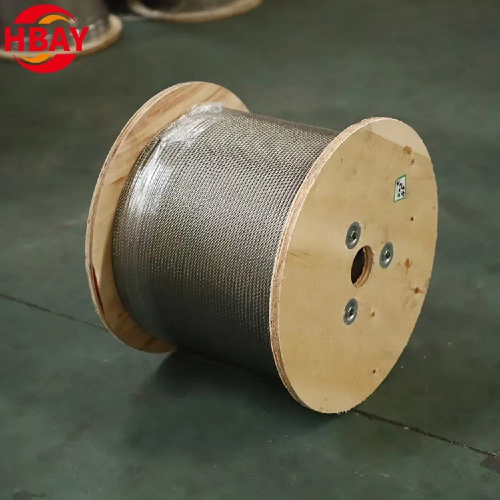
Best Materials for Outdoor Wire Rope
Different materials offer varying levels of strength, durability, and resistance to corrosion. The material of the wire rope plays a significant role in determining its suitability for outdoor applications.
1. Stainless Steel Wire Rope
Stainless steel is one of the best choices for outdoor use due to its excellent corrosion resistance. It is ideal for marine applications and other environments exposed to moisture and salt.
Advantages of Stainless Steel:
Highly Corrosion-Resistant: Performs exceptionally well in wet, salty environments.
Strength: Offers high tensile strength, making it suitable for heavy-duty lifting.
Longevity: Stainless steel ropes last longer and require less maintenance in harsh environments.
2. Galvanized Steel Wire Rope
Galvanized steel is steel that has been coated with a layer of zinc, providing protection against rust and corrosion. It is commonly used for general outdoor applications where corrosion is a concern, but extreme conditions are not present.
Advantages of Galvanized Steel:
Cost-Effective: Less expensive than stainless steel.
Corrosion Resistance: The zinc coating offers solid protection against rust and oxidation.
Versatility: Suitable for various outdoor environments, including construction sites and agricultural applications.
3. Alloy Steel Wire Rope
Alloy steel is a high-strength steel that is designed to offer superior durability and load-bearing capacity. It is commonly used in heavy-duty lifting operations.
Advantages of Alloy Steel:
High Strength: Ideal for lifting extremely heavy loads.
Durability: Resistant to wear and fatigue, making it suitable for demanding environments.
Versatility: Used in industries like construction, mining, and manufacturing.
4. Polymer Coated Steel Rope
Polymer-coated wire ropes are designed for applications that require both corrosion resistance and additional protection against UV rays and chemicals. These ropes are coated with a polymer layer, providing enhanced resistance to environmental damage.
Advantages of Polymer-Coated Steel:
Enhanced Corrosion Resistance: Offers superior protection from rust and saltwater.
UV Protection: The polymer coating shields the rope from UV rays, prolonging its lifespan.
Versatility: Suitable for applications such as outdoor construction, agriculture, and marine environments.
Applications of Wire Rope in Outdoor Environments
Wire ropes are used in a variety of outdoor applications, from construction sites to marine environments. Understanding the specific requirements of each application helps in selecting the right wire rope.
1. Construction and Lifting
Wire ropes are commonly used in construction for lifting heavy materials, securing equipment, and rigging. Outdoor construction sites require durable ropes that can handle high loads and are resistant to the wear and tear caused by the environment.
2. Transportation and Towing
Wire ropes are used in the transportation industry, including for towing and securing heavy loads on trucks, ships, and cranes. These ropes must be strong enough to handle the weight and resistant to weather conditions, such as rain and humidity.
3. Marine and Offshore Use
In marine and offshore industries, wire ropes are exposed to saltwater and harsh weather. Stainless steel and galvanized wire ropes are typically used in these environments due to their resistance to corrosion and their ability to withstand constant exposure to moisture and UV rays.
4. Agriculture and Gardening
Wire ropes are often used in agriculture for securing structures like fences and greenhouses, as well as for lifting heavy tools or machinery. They are exposed to outdoor elements and must be chosen for their corrosion resistance and durability.
5. Emergency and Outdoor Sports
In emergency rescue operations and outdoor sports like climbing or caving, wire ropes are used for securing people and equipment. These ropes need to be lightweight yet strong, and capable of withstanding extreme outdoor conditions.
How to Maintain Wire Rope for Outdoor Use
Proper maintenance ensures that wire ropes perform effectively throughout their service life, even in harsh outdoor environments.
1. Regular Inspections
Conduct regular inspections to check for signs of wear, corrosion, or damage. Look for:
Frayed strands
Rust or corrosion
Broken wires
Kinks or bends
2. Lubrication and Cleaning
Lubricate the wire rope regularly to reduce friction and prevent rust. Cleaning the rope with mild soap and water can help remove dirt and debris that could cause premature wear.
3. Proper Storage
Store wire ropes in a dry, cool place when not in use to prevent exposure to moisture and UV rays. Avoid coiling the rope too tightly, as this can lead to damage and reduce its lifespan.
Common Mistakes to Avoid When Choosing Outdoor Wire Rope
1. Ignoring Environmental Factors
Failure to consider the specific environmental conditions can lead to premature rope failure. Ensure that the rope you choose is resistant to the environmental stresses it will face, such as saltwater, UV rays, or extreme temperatures.
2. Selecting the Wrong Material
Choosing the wrong material for your application can result in reduced rope lifespan and inadequate performance. Be sure to select the appropriate material based on the environment and the type of load the rope will handle.
3. Overloading the Rope
Always ensure that the wire rope's load capacity matches or exceeds the weight it will be supporting. Overloading can cause the rope to fail prematurely, leading to accidents and damage.
Conclusion
When selecting the best wire rope for outdoor use, it's crucial to consider key factors such as material type, load capacity, corrosion resistance, and the specific environmental conditions. Whether you're looking for stainless steel, galvanized steel, alloy steel, or polymer-coated ropes, each material offers distinct advantages depending on the demands of your application.
To ensure maximum performance and longevity, regular maintenance and inspections are essential. Proper care helps extend the lifespan of your wire rope and ensures that it remains safe and reliable, even in challenging outdoor conditions.
For organizations seeking expert guidance and top-quality wire ropes tailored to their needs, Hebei Anyue Metal Manufacturing Co., Ltd. is a trusted provider. With a range of durable, high-performance wire ropes, their team can help you select the right solution for your specific lifting, rigging, or outdoor applications.
Contact Hebei Anyue Metal Manufacturing Co., Ltd. today to learn more about their high-quality wire rope products and receive expert advice on choosing the best option for your needs.

 English
 العربية
 Français
 Русский
 Español
 Português
 Deutsch
 italiano
 日本語
日本語 한국어
한국어 Nederlands
 Tiếng Việt
 ไทย
ไทย Polski
 Türkçe
 አማርኛ
አማርኛ ພາສາລາວ
 ភាសាខ្មែរ
 Bahasa Melayu
 ဗမာစာ
ဗမာစာ தமிழ்
தமிழ் Filipino
 Bahasa Indonesia
 magyar
 Română
 Čeština
 Монгол
 қазақ
қазақ Српски
 हिन्दी
 فارسی
فارسی Kiswahili
 Slovenčina
 Slovenščina
 Norsk
Norsk Svenska
 українська
 Ελληνικά
 Suomi
Suomi Հայերեն
 עברית
עברית Latine
 Dansk
Dansk اردو
اردو Shqip
Shqip বাংলা
বাংলা Hrvatski
 Afrikaans
 Gaeilge
 नेपाली
 Oluganda


