Lifting hooks are an essential part of rigging and lifting operations across industries, from construction to manufacturing. Among the various types of lifting hooks available, locking lifting hooks stand out for their ability to enhance safety and improve operational efficiency. In this article, we will explore the key advantages of using locking lifting hooks, their unique features, and why they are the preferred choice for many high-risk and heavy-duty lifting applications.
What Are Locking Lifting Hooks?
Definition of Locking Lifting Hooks
A locking lifting hook is a type of lifting hook equipped with a safety mechanism that prevents accidental disengagement of the hook from the load. The locking mechanism could be either a spring-loaded pin, a locking latch, or other safety features that ensure the load remains securely attached during lifting operations. This is in contrast to traditional lifting hooks, which do not have such mechanisms and can be prone to accidental release.
How Do Locking Lifting Hooks Work?
Locking lifting hooks operate in the same way as standard lifting hooks, with the added feature of a locking mechanism that secures the hook to the load. When a load is hooked onto the lifting device, the locking mechanism is engaged, preventing the hook from slipping off, even under dynamic loads or when the lifting angle changes. This safety feature makes locking lifting hooks especially valuable in environments where safety and load stability are critical.
Common Types of Locking Lifting Hooks
Locking lifting hooks come in several different types, each designed to suit specific lifting needs. The most common types include:
Swivel Locking Hooks: These allow the hook to rotate freely, enabling flexibility during lifting operations. The locking mechanism ensures the load remains securely attached at all times.
Spring-Loaded Locking Hooks: These feature a spring mechanism that automatically locks the hook in place when the load is attached, providing convenience and security.
Latch-Type Locking Hooks: These hooks have a latch that can be manually engaged to secure the hook, preventing accidental release during lifting.
Key Advantages of Locking Lifting Hooks
1. Increased Safety
One of the primary advantages of using locking lifting hooks is the enhanced safety they provide. The locking mechanism ensures that the hook cannot accidentally slip off the load, which is a significant risk in traditional lifting operations where the hook may disengage if the load shifts or if the lifting angle changes.
Preventing Accidental Disengagement
Locking lifting hooks are designed to prevent accidental disengagement of the hook from the load, which can happen in traditional hooks, especially under dynamic loading conditions. This feature is particularly important when lifting heavy or irregularly shaped loads where the stability of the load may shift unexpectedly.
Risk | Without Locking Hook | With Locking Hook |
Load shifting during lift | High risk of detachment | Locking mechanism holds securely |
Dynamic loads (swings, shocks) | High risk of release | Safe and stable lifting |
Risk of load falling off | Significant risk | Significantly reduced risk |
2. Enhanced Load Security
In high-risk environments, such as construction sites or offshore platforms, the security of the load being lifted is paramount. Locking lifting hooks ensure that the load remains securely attached during the entire lifting process, even under high winds, vibrations, or other challenging conditions.
Locking hooks provide extra load stability by preventing slippage. This is especially crucial when lifting heavy machinery or sensitive equipment, where even the slightest movement can cause damage or accidents.
3. Prevention of Hook Accidents
Accidents involving traditional lifting hooks, such as the unintentional release of the load, are a significant concern in many industrial applications. By using locking lifting hooks, the risk of these accidents is minimized. This is particularly important in environments where human error or environmental factors may lead to unstable lifting conditions.
How Locking Hooks Prevent Accidents
Locking lifting hooks are designed to withstand external forces that could otherwise cause a traditional hook to disengage. They provide an added layer of security, ensuring that the lifting hook remains in place until the load is safely lowered or removed. This minimizes the likelihood of accidents such as dropping loads or causing damage to equipment.
Locking Lifting Hooks in High-Security Environments
Heavy-Duty Applications
Locking lifting hooks are widely used in heavy-duty applications, where traditional hooks may not offer sufficient safety and security. Industries such as construction, mining, and manufacturing often deal with heavy loads that require additional safety measures. Locking lifting hooks are designed to support these heavy loads, ensuring that the lifting operation is both secure and efficient.
Industry | Typical Use of Locking Hook |
Construction | Lifting heavy construction materials and machinery |
Mining | Hoisting mining equipment and large rocks |
Manufacturing | Moving heavy industrial parts and assemblies |
Hazardous Work Environments
In hazardous work environments such as oil rigs, offshore platforms, and high-temperature areas, locking lifting hooks provide crucial safety benefits. These environments often involve unpredictable conditions, such as strong winds, corrosive materials, or extreme temperatures, which could cause traditional hooks to fail. Locking hooks are designed to withstand these conditions and ensure the load remains securely attached.
Marine and Offshore Applications
In marine and offshore environments, where conditions can change rapidly and lifting operations often involve high winds and waves, locking lifting hooks provide an essential safety feature. Whether it’s for lifting equipment on ships or securing cargo on offshore platforms, locking lifting hooks reduce the risk of accidents caused by shifting loads or accidental hook disengagement.
How Locking Lifting Hooks Improve Operational Efficiency
1. Time-Saving
Locking lifting hooks can significantly improve the speed and efficiency of lifting operations. Traditional hooks often require additional safety measures or manual intervention to ensure the load is securely attached, which can be time-consuming. Locking hooks, on the other hand, automatically secure the load once attached, reducing setup time and allowing for faster and more efficient operations.
Process | With Traditional Hook | With Locking Hook |
Attaching the load | Requires manual securing | Automatic locking mechanism |
Safety checks | Multiple checks required | Single action for secure hook |
Lifting speed | Slower due to manual adjustments | Faster and more efficient |
2. Easy to Use
Locking lifting hooks are designed for ease of use. Many models feature an automatic locking mechanism that engages as soon as the hook is attached to the load. This eliminates the need for complex procedures, ensuring that workers can focus on the task at hand rather than worrying about securing the load.
3. Reduced Downtime
Because locking lifting hooks reduce the risk of load disengagement and accidents, they also reduce the downtime caused by equipment damage or failure. With fewer incidents and less risk of malfunction, the lifting operations can proceed smoothly and without interruption, leading to increased productivity and cost savings.
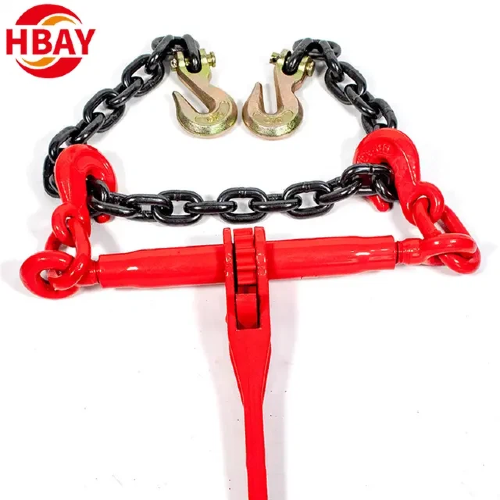
Choosing the Right Locking Lifting Hook for Your Application
Load Capacity Considerations
The first factor to consider when choosing a locking lifting hook is the load capacity. The hook must be able to support the weight of the load being lifted. Overloading a lifting hook can lead to failure, so it's important to choose a hook that is rated for the intended load.
Material and Durability
The material of the locking lifting hook is another crucial factor. Depending on the work environment, you may need a hook made from corrosion-resistant materials such as stainless steel or coated steel. These materials are designed to withstand harsh conditions, including exposure to moisture, chemicals, and high temperatures.
Hook Size and Compatibility
It's also essential to choose the right hook size and ensure compatibility with the lifting equipment being used. The hook should fit the lifting device (such as a crane or hoist) and the load securely. Improper sizing can lead to inefficiency and unsafe lifting operations.
Maintenance and Inspection of Locking Lifting Hooks
Regular Checks
Locking lifting hooks require regular inspections to ensure that the locking mechanism is functioning properly. Regular checks should include looking for any wear or damage to the hook, latch, or locking mechanism.
Lubrication and Cleaning
To keep the locking lifting hook in optimal condition, it is essential to clean it regularly to remove any dirt, grime, or corrosive substances. Lubricating the hook can also prevent the locking mechanism from becoming stiff or jammed.
Replacing Parts
Over time, the locking mechanism or other parts of the hook may wear out. It's important to replace any worn-out parts immediately to prevent any operational failures.
Common Misconceptions About Locking Lifting Hooks
Too Complex to Use?
One common misconception is that locking lifting hooks are more complex and difficult to use than traditional hooks. In reality, many locking hooks are designed to be just as easy to use, if not easier, thanks to their automatic locking mechanisms and straightforward operation.
Cost-Effectiveness
Some believe that locking lifting hooks are too expensive compared to traditional hooks. While they may have a higher initial cost, the added safety, reduced downtime, and efficiency improvements can make them a more cost-effective option in the long run.
Durability Concerns
Another misconception is that locking lifting hooks are less durable than traditional hooks. However, when made from high-quality materials and properly maintained, locking lifting hooks are just as durable—if not more so—than standard hooks.
Conclusion
Locking lifting hooks offer significant advantages in safety, load security, and operational efficiency. By preventing accidental disengagement, they ensure safer and more reliable lifting operations, particularly in heavy-duty and high-risk environments. These hooks also enhance operational speed, reduce downtime, and minimize the risk of accidents.
When selecting the right locking lifting hook, it's crucial to consider factors such as load capacity, material suitability, and compatibility with your equipment. Regular maintenance and inspections are essential to ensure that your hooks perform optimally and have a long service life.
For organizations aiming to improve their lifting operations, investing in high-quality locking lifting hooks is a smart and effective choice. Hebei Anyue Metal Manufacturing Co., Ltd. offers a wide range of durable, high-performance locking lifting hooks tailored to meet the specific needs of various industries. Their expert team can guide you in selecting the perfect lifting hook solution for your operations.
To learn more about their products or get in touch with their team for expert advice, feel free to contact Hebei Anyue Metal Manufacturing Co., Ltd. for more information and personalized support.

 English
 العربية
 Français
 Русский
 Español
 Português
 Deutsch
 italiano
 日本語
日本語 한국어
한국어 Nederlands
 Tiếng Việt
 ไทย
ไทย Polski
 Türkçe
 ພາສາລາວ
 ភាសាខ្មែរ
 Bahasa Melayu
 ဗမာစာ
ဗမာစာ தமிழ்
தமிழ் Filipino
 Bahasa Indonesia
 magyar
 Română
 Монгол
 қазақ
қазақ हिन्दी
 فارسی
فارسی Norsk
Norsk Svenska
 українська
 Ελληνικά
 Suomi
Suomi עברית
עברית Latine
 Dansk
Dansk اردو
اردو Shqip
Shqip বাংলা
বাংলা Afrikaans
 Gaeilge
 नेपाली
 Oluganda


