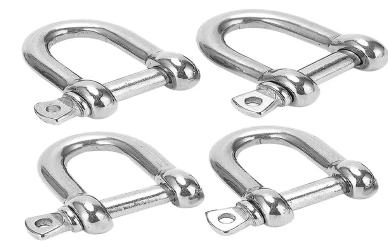
Shackles, particularly Bow Shackles, are critical components in rigging and lifting operations. They are designed to connect lifting devices to various loads, providing a secure and reliable link between equipment and materials. However, improper use of shackles can lead to severe accidents, equipment damage, and even fatalities. It is crucial to understand how not to use a shackle, ensuring that safety protocols are always followed. This article explores the common mistakes made when using shackles, with a focus on Bow Shackles, and provides insights into how to avoid these errors.
1.Overloading the Shackle
Understanding Working Load Limit (WLL)
The Working Load Limit (WLL) is a key safety measure that determines the maximum load a shackle can safely handle under normal operating conditions. The WLL is typically marked on the shackle and is calculated based on the shackle's material, design, and size. For Bow Shackles, the WLL is critical because exceeding this limit can lead to permanent deformation or catastrophic failure of the shackle.
The WLL is not a suggestion but a mandatory safety limit. If the load exceeds the WLL, the shackle is at risk of breaking, leading to accidents. It is important to always check the WLL before using any shackle to ensure it matches or exceeds the weight of the load being lifted.
Consequences of Overloading a Shackle
Overloading a Bow Shackle is one of the most dangerous mistakes in rigging. Exceeding the WLL can result in several problems:
· Deformation of the shackle: When a shackle is overloaded, it may bend or deform, compromising its structural integrity.
· Pin failure: Overloading can cause the pin to shear, disconnecting the load from the rigging system.
· Breakage: If the load exceeds the WLL by a significant amount, the shackle can break entirely, leading to equipment failure and potential harm to workers.
It is essential to calculate the total load, including the weight of the lifting device, the load itself, and any additional rigging components. Always round up the WLL to account for any potential factors that could increase the load.
Type of Shackle | Recommended WLL (Example) | Actual Load | Consequences of Overloading |
Bow Shackle | 10 tons | 12 tons | Deformation, pin shear, breakage |
D Shackle | 5 tons | 7 tons | Failure, injuries, load loss |
Wide Body Shackle | 15 tons | 20 tons | Complete breakage, catastrophic failure |
How to Avoid Overloading a Shackle
To avoid overloading a shackle:
Know the WLL: Always check the WLL before use and ensure that the load does not exceed it.
Account for Dynamic Loads: Consider additional dynamic loads like wind, movement, and swinging that may temporarily increase the load on the shackle.
Use Proper Equipment: If the load exceeds the capacity of one shackle, use multiple shackles or upgrade to a larger shackle with a higher WLL.
2. Side Loading a Shackle
What is Side Loading?
Side loading occurs when the load is applied at an angle that is not aligned with the shackle’s natural axis. Shackles, particularly Bow Shackles, are designed to bear loads that are aligned with their main axis, meaning the load should be pulled directly through the center of the shackle. When loads are applied from the side, the shackle is subjected to stresses that it is not designed to withstand, which can cause permanent damage.
Risks of Side Loading on Shackles
Side loading is dangerous for several reasons:
· Stress on the shackle: Bow Shackles are not designed to withstand side forces. When side-loaded, they can bend, crack, or even break.
· Decreased load capacity: Side loading reduces the shackle’s effective load-bearing capacity, making it more prone to failure.
· Increased risk of accidents: Side-loaded shackles are more likely to fail unexpectedly, leading to the release of the load and potential injuries.
It is essential to avoid side loading to ensure that the shackle performs as intended. Even though Bow Shackles are designed to handle multi-directional loads, side loading still weakens their structural integrity.
How to Avoid Side Loading a Shackle
To prevent side loading:
Use Proper Alignment: Ensure that the shackle is aligned with the load, and the force is applied directly through the center of the shackle.
Use Additional Rigging Components: If side loading is unavoidable, use extra rigging components, such as side plates, to distribute the load evenly.
Avoid Angles: Avoid lifting or pulling from angles that place uneven pressure on the shackle.
3.Using a Shackle for Unsupported Loads
Improper Slinging and Unsupported Connections
A Bow Shackle should never be used for lifting an unsupported load or for a load that is not properly secured. Shackles are designed to connect rigging components like slings or chains to a load. If the load is not properly slung, there is a risk that the shackle could fail, causing the load to fall or shift unexpectedly.
Safety Risks from Unsupported Loads
When a shackle is used to lift an unsupported or improperly rigged load, the following risks arise:
· Shifting load: If the load is not secure, it can shift during lifting, putting additional stress on the shackle and rigging system.
· Load detachment: Inadequately rigged loads are more likely to detach from the shackle, leading to equipment failure and injury.
· Unbalanced lifting: Without proper slinging, the load may become unbalanced, causing swinging or tipping, which could lead to an unsafe lifting operation.
How to Avoid Using Shackles for Unsupported Loads
To avoid using shackles for unsupported loads:
1. Ensure Proper Rigging: Always ensure the load is properly rigged and secured before attaching it to a shackle.
2. Check the Slinging Configuration: Ensure that the sling or chain is positioned correctly to distribute the load evenly across the shackle.
3. Use Supportive Tools: If necessary, use additional tools such as lifting beams or rigging pads to stabilize the load and prevent shifting.
4. Failing to Inspect Shackles Before Use
Importance of Regular Shackle Inspections
Regular inspections are crucial to ensuring that shackles, including Bow Shackles, are in optimal condition before they are used. Shackles that have not been properly maintained or inspected could be weakened by wear, corrosion, or physical damage, compromising their ability to safely handle loads.
Types of Damage to Look Out For
When inspecting shackles, it is important to check for:
· Wear and tear: Continuous use can cause a shackle’s body or pin to become worn, reducing its strength.
· Cracks or deformation: Any visible cracks or deformations indicate that the shackle is no longer safe to use.
· Corrosion: Rust or corrosion can weaken a shackle, particularly in marine environments or areas with high humidity.
· Pin security: Ensure that the pin is securely fastened and that it is free of damage or excessive wear.
Consequences of Using Damaged Shackles
Using a damaged shackle can result in:
· Sudden failure: A weakened shackle is more likely to fail during a lift, posing significant risks to workers and equipment.
· Increased wear: Damaged shackles can cause increased wear on other rigging components, leading to a chain reaction of equipment failures.
· Legal and regulatory issues: Failing to inspect shackles may lead to violations of safety regulations, resulting in fines or legal consequences.
How to Inspect a Shackle
1. Visual Inspection: Always perform a thorough visual check for signs of damage, cracks, or wear.
2. Check the Pin: Ensure that the pin is properly secured and free from wear or deformation.
3. Look for Rust: In marine or outdoor environments, check for any rust or corrosion that may compromise the shackle’s integrity.
5. Not Using Proper Shackles for the Job
Choosing the Wrong Shackle Type
Not all shackles are suitable for every type of lifting operation. For example, Bow Shackles are typically used for multi-leg slings, while D Shackles are better for straight-line pulls. Using the wrong type of shackle can lead to improper load distribution, reduced lifting capacity, and a higher risk of failure.
Consequences of Using an Incorrect Shackle
Using the wrong shackle can lead to:
· Increased load stress: Shackles that are not designed for specific applications may increase stress on both the shackle and the rigging system.
· Unstable loads: The wrong shackle type can result in unstable lifting configurations, leading to accidents.
· Failure of the rigging system: Using an incorrect shackle for the load can cause the entire rigging system to fail, resulting in the loss of the load and potential injuries.
How to Choose the Right Shackle
Understand the Load Requirements: Select the shackle type based on the load's weight, shape, and lifting method.
Use the Correct Size: Ensure that the shackle's size and working load limit (WLL) match the load requirements.
Consider Environmental Factors: Choose shackles made from materials suited to the working environment (e.g., stainless steel for marine applications).
FAQ
1. What is the danger of using a shackle that is too small for the load?
Using a shackle that is too small for the load can cause it to deform, break, or fail completely, risking serious accidents and equipment damage.
2. How can I tell if a Bow Shackle is overloaded?
Visual signs of overload include visible deformation, wear marks, or bent pins. If a shackle is overloaded, it may show signs of stress such as cracks or elongation.
3. Is it safe to use a shackle with visible rust?
It is generally unsafe to use a shackle with visible rust, as corrosion weakens the material. Always replace or repair rusted shackles to ensure safety.
4. Can I use a Bow Shackle for multi-leg lifting?
Yes, Bow Shackles are ideal for multi-leg lifting because their wide and curved design allows them to distribute the load evenly across multiple slings, making them highly versatile in rigging applications.
 Conclusion
The proper use of shackles, especially Bow Shackles, is critical to ensuring safety during lifting operations. Mistakes such as overloading, side loading, failing to inspect shackles, and using the wrong shackle for the job can lead to catastrophic failures, accidents, and injuries. By following the correct procedures, inspecting shackles regularly, and choosing the appropriate rigging components, workers can minimize these risks and ensure that lifting operations are conducted safely and efficiently.

 English
 العربية
 Français
 Русский
 Español
 Português
 Deutsch
 italiano
 日本語
日本語 한국어
한국어 Nederlands
 Tiếng Việt
 ไทย
ไทย Polski
 Türkçe
 አማርኛ
አማርኛ ພາສາລາວ
 ភាសាខ្មែរ
 Bahasa Melayu
 ဗမာစာ
ဗမာစာ தமிழ்
தமிழ் Filipino
 Bahasa Indonesia
 magyar
 Română
 Čeština
 Монгол
 қазақ
қазақ Српски
 हिन्दी
 فارسی
فارسی Kiswahili
 Slovenčina
 Slovenščina
 Norsk
Norsk Svenska
 українська
 Ελληνικά
 Suomi
Suomi Հայերեն
 עברית
עברית Latine
 Dansk
Dansk اردو
اردو Shqip
Shqip বাংলা
বাংলা Hrvatski
 Afrikaans
 Gaeilge
 नेपाली
 Oluganda


