Wire rope clips are essential tools for securing wire ropes in various lifting, rigging, and construction applications. They play a crucial role in ensuring that the wire rope stays intact and secure under heavy loads. Proper installation of a wire rope clip is essential for the safety and efficiency of any operation. In this article, we will guide you through the process of installing a wire rope clip, highlight common mistakes to avoid, discuss safety considerations, and provide maintenance tips to ensure long-term performance.
What is a Wire Rope Clip?
A wire rope clip is a mechanical device used to clamp down on a wire rope to form a loop or to secure two ends of the rope together. The clip is designed to hold the wire rope securely in place under tension, preventing it from slipping or coming apart during use.
Wire rope clips come in various shapes and sizes, but the most common type consists of a U-bolt, a saddle, and two nuts. The U-bolt passes through the wire rope, and the saddle clamps the rope in place while the nuts tighten to secure the clip.
Why Proper Installation Matters
Correctly installing a wire rope clip is vital for the following reasons:
Safety: Improper installation can lead to wire rope failure, which may cause accidents, injuries, or equipment damage.
Efficiency: A properly installed clip ensures that lifting or rigging operations run smoothly without unexpected failures.
Longevity: Correct installation ensures that the wire rope clip will function effectively over time, maintaining its strength and reducing the need for frequent replacements.
Understanding the Components of a Wire Rope Clip
Before you begin the installation process, it is important to understand the components of a wire rope clip and how they work together.
Parts of a Wire Rope Clip
U-Bolt: The U-shaped metal piece that fits around the wire rope.
Saddle: The part of the clip that sits against the wire rope, providing pressure to hold it securely.
Nuts: These are used to tighten the clip around the rope. Two nuts are typically used—one on each side of the U-bolt.
Different Types of Wire Rope Clips
There are several types of wire rope clips designed for different applications, including:
U-Bolt Wire Rope Clips: The most common type, consisting of a U-bolt, saddle, and nuts. These clips are ideal for general use in various industries.
Bolt-Type Wire Rope Clips: Similar to U-bolt clips but designed with a bolt mechanism for added strength and durability.
Wedge-Type Wire Rope Clips: Designed for heavy-duty applications, these clips use a wedge to clamp the rope securely.
Each type of clip has its own advantages, so selecting the right one depends on the specific requirements of your project.
Preparation Before Installation
Before installing a wire rope clip, make sure you have the proper tools and materials, and conduct a thorough inspection.
Materials Needed
Wire Rope Clips: Ensure that you have the right size and type of wire rope clips for the rope you are using.
Wrenches: A wrench or socket set to tighten the nuts securely.
Measuring Tools: A tape measure or caliper to ensure the correct sizing of the wire rope and clip.
Cutting Tools: If necessary, to cut the wire rope to the desired length.
Personal Protective Equipment (PPE): Gloves, safety glasses, and other PPE for protection during the installation process.
Inspecting the Wire Rope
Before installing the clip, inspect the wire rope to ensure it is free of defects such as:
Fraying: Check for any frayed or damaged strands.
Corrosion: Look for signs of rust or corrosion that could compromise the integrity of the wire rope.
Kinks or bends: Ensure the rope is straight and free of any sharp bends that could weaken the rope.
Sizing the Clip Properly
The size of the wire rope clip should match the diameter of the wire rope. A clip that is too small or too large can result in an improper fit, which may affect the strength and performance of the connection.
Step-by-Step Guide to Installing a Wire Rope Clip
Now that you're prepared, here is a step-by-step guide to help you install a wire rope clip safely and effectively.
Step 1: Positioning the Clip
Place the wire rope clip over the wire rope where you want to create a loop or secure the two ends of the rope. Make sure the U-bolt faces the inside of the loop, ensuring it aligns with the curve of the wire rope. This positioning ensures that the rope will be securely clamped.
Step 2: Inserting the U-Bolt
Insert the U-bolt through the rope and then through the saddle of the clip. The saddle should sit firmly against the rope to hold it in place. Ensure that the U-bolt is threaded through the clip and aligned properly.
Step 3: Securing the Clip with Nuts
Place the nuts on both sides of the U-bolt and hand-tighten them to secure the clip. Make sure the nuts are in place before using any tools to tighten them. This will help prevent cross-threading or misalignment.
Step 4: Tightening and Checking the Fit
Use a wrench to tighten the nuts further. Tighten them gradually and evenly on both sides to ensure the clip is securely in place. Do not over-tighten the nuts, as this can cause the wire rope to become deformed or damaged.
After tightening, check that the wire rope is held firmly in place and that there is no movement. Ensure the clip is securely fastened and aligned correctly.
Common Mistakes to Avoid When Installing a Wire Rope Clip
While installing a wire rope clip may seem straightforward, there are common mistakes that can compromise the safety and effectiveness of the installation.
Mistake 1: Incorrect Positioning of the Clip
One of the most common mistakes is placing the wire rope clip in the wrong position. The U-bolt should always be placed on the inside of the loop, and the saddle should be against the rope. Installing the clip backward can lead to a weaker connection.
Mistake 2: Over-Tightening or Under-Tightening
Over-tightening the nuts can damage the wire rope, while under-tightening can cause the clip to loosen over time. It is important to tighten the nuts to the manufacturer's recommended torque specifications, which ensures that the clip is secure without damaging the rope.
Mistake 3: Using the Wrong Clip Size
Choosing a wire rope clip that is too small or too large for the rope can affect the integrity of the installation. Always ensure that the clip is the correct size for the rope diameter.
Mistake 4: Not Using the Correct Number of Clips
Using only one clip to secure a rope is insufficient for most applications. For proper load-bearing strength, it is recommended to use at least two clips per connection—one at the base of the loop and another near the end of the rope.
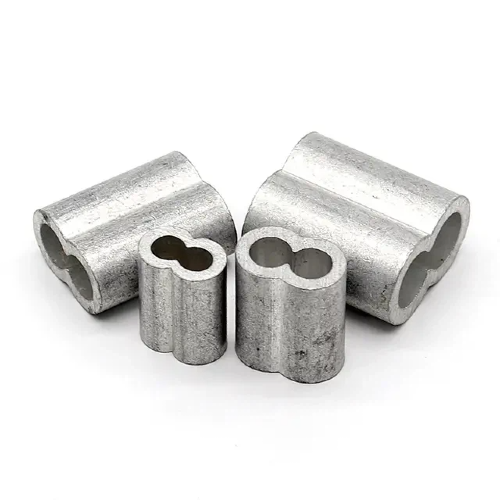
Safety Considerations During Installation
Safety should always be a priority when installing a wire rope clip. Below are some important safety tips to follow during the installation process.
Proper Personal Protective Equipment (PPE)
Always wear appropriate PPE, including gloves to protect your hands from sharp wire strands and safety glasses to shield your eyes from flying debris or sparks during tightening.
Ensuring the Load is Secure
Before installing the wire rope clip, ensure that the load or tension on the rope is properly secured. Do not install the clip while the rope is under excessive tension, as this can cause strain on the clip and rope.
Checking for Hazards in the Area
Ensure the installation area is clear of any hazards that may interfere with the installation process. This includes moving equipment, potential tripping hazards, or other personnel in the area.
Testing and Verifying the Installation
Once the wire rope clip is installed, it is essential to test and verify its security.
Load Testing the Installed Clip
Perform a load test by gradually applying tension to the wire rope. This helps ensure that the clip holds securely and does not slip or come loose under load. Be sure to follow industry standards for load testing.
Visual Inspection
After testing, visually inspect the installation to check for any signs of slippage, loosening, or deformation. Make sure the rope is held firmly in place and that the clip is still in good condition.
Adjusting if Necessary
If the wire rope clip shows any signs of movement or if the load test indicates insufficient clamping, readjust the clip or reinstall it using the correct method.
Maintenance Tips for Wire Rope Clips
Proper maintenance is essential for ensuring the longevity and effectiveness of your wire rope clips.
Regular Inspections
Regularly inspect wire rope clips for signs of wear, rust, or damage. Check that the nuts are still tight and that the clip is securely fastened.
Lubrication
Apply lubricant to the clip to reduce friction and prevent corrosion, especially in harsh environmental conditions. This helps to extend the lifespan of both the wire rope and the clip.
Replacing Worn-Out Clips
If the wire rope clip becomes worn or damaged, replace it immediately. Continuing to use a compromised clip can result in failures and safety hazards.
Conclusion
Installing a wire rope clip correctly is crucial for the safety and efficiency of any lifting, rigging, or wire rope application. By following proper installation procedures, avoiding common mistakes, and conducting regular maintenance, you can ensure your wire rope clips perform at their best and provide long-lasting, reliable service.
For optimal performance, always choose high-quality wire rope clips that are designed to meet the specific needs of your project. High-quality clips not only offer greater durability but also ensure safer and more secure operations. If you're unsure about the best choices for your needs, it's always a good idea to consult with a trusted expert in the field.
Hebei Anyue Metal Manufacturing Co., Ltd. offers a wide range of high-quality wire rope clips that are perfect for various lifting and rigging applications. Their products are built to meet international standards, ensuring both reliability and safety. For expert advice and to learn more about their products, don’t hesitate to get in touch with them today. Investing in premium wire rope clips from Hebei Anyue Metal Manufacturing Co., Ltd. is an investment in the safety and efficiency of your operations.

 English
 العربية
 Français
 Русский
 Español
 Português
 Deutsch
 italiano
 日本語
日本語 한국어
한국어 Nederlands
 Tiếng Việt
 ไทย
ไทย Polski
 Türkçe
 ພາສາລາວ
 ភាសាខ្មែរ
 Bahasa Melayu
 ဗမာစာ
ဗမာစာ தமிழ்
தமிழ் Filipino
 Bahasa Indonesia
 magyar
 Română
 Монгол
 қазақ
қазақ हिन्दी
 فارسی
فارسی Norsk
Norsk Svenska
 українська
 Ελληνικά
 Suomi
Suomi עברית
עברית Latine
 Dansk
Dansk اردو
اردو Shqip
Shqip বাংলা
বাংলা Afrikaans
 Gaeilge
 नेपाली
 Oluganda


