Choosing the correct Anchor Chain size is crucial for ensuring the safety and stability of your vessel when anchored. Whether you're dealing with a small recreational boat or a large commercial ship, selecting the right size anchor chain will provide the necessary strength to hold the vessel securely in place. In this article, we'll walk you through the key factors to consider when choosing the appropriate Anchor Chain, including its size, length, material, and maintenance.
What is an Anchor Chain?
Understanding Anchor Chain
An Anchor Chain is a heavy-duty chain used in maritime applications to connect the anchor to the boat or ship. It plays a crucial role in keeping the vessel securely anchored to the seabed, preventing it from drifting due to wind, waves, or currents. Anchor chains are typically made of high-strength steel or other corrosion-resistant materials to withstand harsh marine environments.
The anchor chain is designed to provide weight and stability to the anchor, allowing it to dig into the seabed, while also ensuring that the vessel remains in place when at anchor.
Components of an Anchor Chain
An anchor chain generally consists of the following components:
Chain Links: These are the individual sections of the chain, usually made from steel or galvanized steel, designed to interlock and withstand high tension.
Shackles: These are used to attach the anchor chain to the vessel's anchoring system or directly to the anchor itself.
Anchor Rode: This refers to the entire system that connects the anchor to the boat, which can include both chain and rope. The chain provides weight, while the rope allows for flexibility.
Basic Size Standards for Anchor Chains
Chain Diameter
The diameter of the Anchor Chain is one of the most important factors to consider when choosing the right size. It determines the strength and load capacity of the chain, ensuring it can safely handle the weight and force exerted on the anchor.
Vessel Type | Recommended Chain Diameter | Example Chain Size |
Small Boats | 6-8mm | 1/4" |
Medium Boats | 10-12mm | 3/8" |
Large Vessels | 16-20mm | 5/8" |
Commercial Ships | 20-30mm | 3/4" or larger |
The larger the vessel, the thicker the anchor chain required. For smaller boats, a thinner chain may suffice, but for larger commercial ships, a much thicker chain is needed to withstand heavier forces.
Chain Length
The length of the Anchor Chain is another crucial factor in determining how effectively it will perform. It’s recommended to have enough chain to allow the anchor to fully dig into the seabed and ensure stability.
Material Considerations
Anchor chains can be made from various materials, with each offering different levels of strength and corrosion resistance:
Galvanized Steel: This is the most common material used for anchor chains as it provides good corrosion resistance and strength, making it suitable for most general maritime applications.
Stainless Steel: A premium option that offers excellent corrosion resistance, especially for boats operating in saltwater environments.
Alloy Steel: Typically used in high-strength applications, alloy steel chains are durable and suitable for larger vessels or commercial ships that need higher load capacities.
How to Choose the Right Size of Anchor Chain?
Choosing Based on Vessel Weight
The weight of your vessel is one of the key factors in determining the appropriate Anchor Chain size. The heavier the boat, the thicker and stronger the chain must be to hold it in place.
For small recreational boats, a thinner chain may be enough, while larger vessels, such as yachts, cruise ships, and tankers, require a much stronger and thicker chain.
For example:
Small Boats (up to 30 feet): Typically require a chain diameter of 6-8mm.
Medium-Sized Boats (30-60 feet): Require a diameter of around 10-12mm.
Large Vessels (over 60 feet): These need a chain diameter of 16-20mm or more, depending on the weight of the vessel.
Considering Water Depth and Mooring Conditions
The depth of the water and the conditions in which the anchor will be used also affect the required anchor chain size. A general rule is that the length of the anchor chain should be at least 10 times the depth of the water in which the vessel is anchored. This allows the anchor to maintain adequate holding power under various conditions.
For example:
If the water depth is 10 meters, you should have at least 100 meters of anchor chain.
In deeper water or areas with stronger currents, you may need to adjust the chain length accordingly.
Considering Chain's Working Load Limit (WLL)
The Working Load Limit (WLL) refers to the maximum load a chain can safely handle. When selecting an anchor chain, it's crucial to ensure that the WLL exceeds the forces acting on the vessel during anchoring, which include wind, current, and waves.
You should always factor in the highest load the anchor chain will endure in various conditions, ensuring that the chain's WLL is adequate for your vessel.
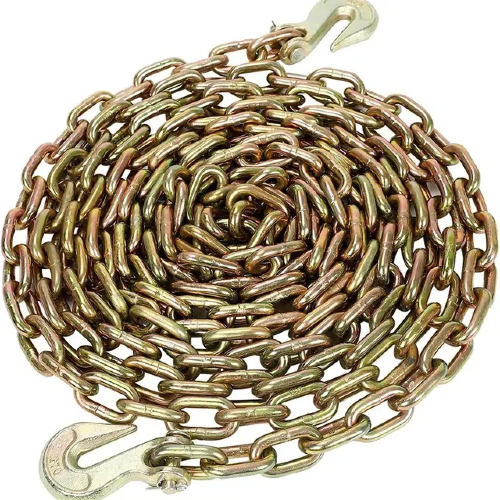
How to Calculate Anchor Chain Length?
Using the 10:1 Rule
A common calculation method used by mariners is the 10:1 rule, which suggests that the anchor chain should be at least 10 times the depth of the water. This rule ensures that the anchor can dig into the seabed effectively and that the chain has enough slack to accommodate tidal changes and wave movements.
Water Depth | Chain Length (10:1 Rule) |
5 meters | 50 meters |
10 meters | 100 meters |
20 meters | 200 meters |
For shallower waters, this rule applies directly, but for deeper waters or in stronger tidal areas, you may want to increase the length of your anchor chain to ensure proper holding capacity.
Accounting for Other Factors
While the 10:1 rule is a good starting point, additional factors such as wind conditions, tide variations, and seafloor types (mud, sand, or rock) may require adjustments to the chain length. A stronger chain and longer length may be necessary for areas with higher wind speeds or stronger currents.
Maintenance and Inspection of Anchor Chains
Regular Inspections
Regular inspections of the Anchor Chain are essential to ensure its safety and longevity. Look for signs of corrosion, wear, or physical damage to the links and shackles. Check the pin that connects the shackle to the chain, ensuring that it is securely fastened and free of damage.
Cleaning and Lubrication
To prevent rust, clean the anchor chain regularly, especially after use in saltwater. Use fresh water to rinse off salt and debris, and lubricate the chain to prevent corrosion. For chains used in saltwater, regular maintenance is especially important to prevent rust from weakening the material.
Storage
Proper storage is key to ensuring the longevity of your Anchor Chain. Always store your chain in a dry, sheltered location when not in use. When storing the chain on board the vessel, ensure it’s properly secured and protected from the elements.
Frequently Asked Questions About Anchor Chains
How Do I Know if My Anchor Chain is the Right Size for My Boat?
To determine if your Anchor Chain is the correct size, refer to the manufacturer’s recommendations based on your vessel's weight and type. Make sure the chain diameter is adequate for your vessel’s size, and that the length is sufficient for the water depth and environmental conditions.
Can I Use a Shorter or Longer Chain?
A shorter anchor chain may compromise your ability to anchor securely, while a longer chain can increase unnecessary weight and complicate storage. Always follow the recommended 10:1 rule for water depth, and adjust according to the specific conditions of your anchoring area.
What is the Best Material for an Anchor Chain?
The best material depends on the environment. Stainless steel is ideal for saltwater environments due to its superior corrosion resistance. Galvanized steel is a more affordable option with decent rust resistance, while alloy steel is best for heavy-duty applications and larger vessels.
Conclusion
Choosing the right size Anchor Chain is critical for ensuring the safety and stability of your vessel while anchored. By considering factors such as your vessel's weight, water depth, and operating environment, you can select the optimal chain size and material. Regular maintenance and inspections will further enhance the longevity and reliability of your anchor chain, making sure it performs well in every anchoring scenario.
Investing in a high-quality Anchor Chain not only improves safety but also boosts the efficiency and durability of your vessel’s anchoring system. If you're looking for reliable and durable anchor chains, Hebei Anyue Metal Manufacturing Co., Ltd. offers a range of high-quality products designed to meet your specific needs. Their expertise in manufacturing anchor chains ensures that your vessel is equipped with the best materials for safe and effective anchoring.
For more information or to discuss your specific requirements, feel free to contact Hebei Anyue Metal Manufacturing Co., Ltd. Their dedicated team is ready to assist with any questions or custom solutions for your anchoring needs.

 English
 العربية
 Français
 Русский
 Español
 Português
 Deutsch
 italiano
 日本語
日本語 한국어
한국어 Nederlands
 Tiếng Việt
 ไทย
ไทย Polski
 Türkçe
 ພາສາລາວ
 ភាសាខ្មែរ
 Bahasa Melayu
 ဗမာစာ
ဗမာစာ தமிழ்
தமிழ் Filipino
 Bahasa Indonesia
 magyar
 Română
 Монгол
 қазақ
қазақ हिन्दी
 فارسی
فارسی Norsk
Norsk Svenska
 українська
 Ελληνικά
 Suomi
Suomi עברית
עברית Latine
 Dansk
Dansk اردو
اردو Shqip
Shqip বাংলা
বাংলা Afrikaans
 Gaeilge
 नेपाली
 Oluganda


