You should know the main difference between a Bow Shackle and a clevis. A Bow Shackle is round. It lets you connect many slings or chains from different sides. A clevis is shaped like a U. It works best when you pull straight. Picking the right hardware is important for safety and doing the job well. Mistakes in rigging can make lifting fail. Loads can become unstable.
Rigging mistakes cause 28% of lifting failures.
Bad rigging can make loads unstable.
Using the wrong slings can drop loads.
Hebei Anyue Metal Manufacturing Co., Ltd. is special because they test products carefully. They follow rules from around the world. They have a good name for making customers happy. You can trust them to help you pick the best rigging hardware.
Feature | Description |
Rigorous Testing | Makes sure every product is safe |
International Standards | Uses ISO and CE certifications |
Customer Trust | Known for being reliable and high quality |
Key Takeaways
Bow shackles are useful for lifting and towing. Their round shape lets you connect many slings. They can handle loads from different angles.
Clevises make strong and steady connections for straight pulls. Use them when the force goes in one direction. They work well in machines or construction.
Always check the load ratings and certifications of your rigging hardware. This helps keep everyone safe and follows the rules.
Look at your rigging equipment often for damage or wear. Good hardware stops accidents and lasts longer.
Do not use shackles and clevises for the same jobs. Each has a special design and use that keeps rigging safe.
Bow Shackle and Clevis Basics
What Is a Bow Shackle
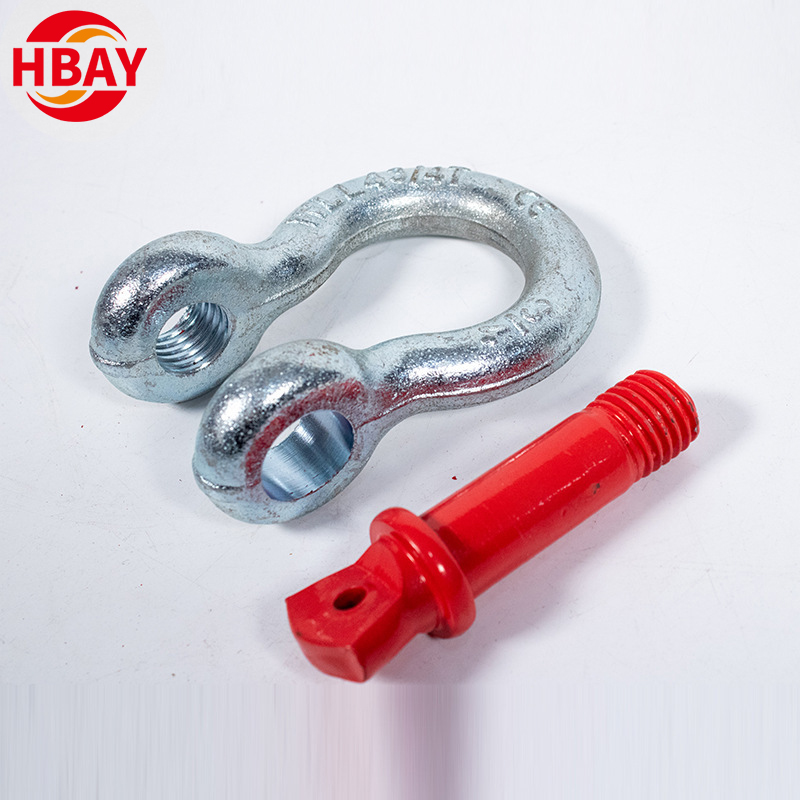
A bow shackle is strong and useful for rigging. Its round shape lets you attach slings or chains from many sides. This helps when loads move or shift. You can see markings on the body. These show the working load limit, size, maker, and material. Markings help you check safety and trace where it came from. The curved bow holds the weight. The ears keep the pin in place. You can use it with one or more sling legs.
Feature | Description |
U-shaped design | Lets you connect things that hold weight. |
Markings | Show how much weight it holds, size, maker, codes, and material. |
Bow | The curved part holds the load’s weight. |
Ears | Hold the pin between them. |
Versatility | Can connect one or more sling legs. |
What Is a Clevis
A clevis is good for straight and steady pulls. It has a U-shaped body with a pin through both ends. The pin keeps the load safe. The head can be flat, rounded, or angled. The shank changes in length and thickness for different jobs. Some clevises have ends you can adjust or quick pins for fast changes. Clevises are used in machines and building parts.
Shackle: Has a clevis, tang, and clevis pin.
Bracket: Has a rectangle hook with holes for more fasteners.
Clevis hanger: Uses two clevises joined by a pin.
Clevis rod ends: U-shaped with a base hole and threaded end for strength.
Component/Element | Description |
Head | Can be flat, rounded, angled, or shaped at 25° |
Shank | Changes in length and thickness |
Shank End | Has adjustable ends or quick pins with detent balls |
Core Functions in Rigging
You pick a bow shackle or clevis for your rigging job. Bow shackles are best for lifting, towing, and setups with many sling legs. They handle heavy and moving loads. Clevises give a fixed link for machines or buildings. They keep loads steady in one direction.
Feature | Clevises | Shackles |
Connection Type | Fixed links | Removable links |
Application | Used in machines and buildings | Used for lifting, towing, and many sling setups |
Load Handling | Keeps loads steady in one way | Handles heavy and moving loads |
Tip: Always look at the markings and specs before using rigging hardware. This keeps you safe and helps you do things the right way.
Difference Between a Shackle and a Clevis
When you look at rigging hardware, you should know how a shackle and a clevis are different. Each one has its own shape, pin type, and strength rating. These things change how you use them for lifting and holding loads.
Design and Shape Comparison
The biggest difference is in their shapes. A bow shackle has a round body. This lets you attach slings or chains from many sides. You can use it when you need to lift from different angles. A clevis has a U-shaped body. It works best for straight pulls and lighter weights.
Here is a table to show the difference:
Feature | Bow Shackles | Clevises |
Shape | Rounded shape for multi-directional loading | U-shaped for straight, lighter loads |
Application | Versatile for irregular shapes in rigging and lifting | Suitable for straightforward connections |
You can pick a hot-dip galvanized shackle or an electroplated zinc shackle from Hebei Anyue Metal Manufacturing Co., Ltd. We use CNC forging and Baosteel alloy steel to make strong shackles. Our G209 shackle meets American rules and works well for heavy lifting.
Pin Types and Mechanisms
You need to check the pin type when you choose rigging hardware. Bow shackles use screw pins or bolt-type pins. You can take these pins out fast. This makes bow shackles good for setups that change often. Clevises use a clevis pin that goes through both ends of the U-shape. You lock the pin with a cotter pin or bolt. This gives you a solid connection.
Some shackles, like the 6:1 Release the shackle, let you change things quickly. You can find these features in our products. We test every pin for hardness and strength. Our triple checks look at spectral, hardness, and load values. You get safe and tough hardware every time.
Load Ratings and Strength
You must look at the load rating before you use any rigging hardware. The difference between a shackle and a clevis changes how much weight each can hold. Bow shackles have a round body. They work well for loads that pull from different angles if the pin stays straight. Clevises, sometimes called D-ring shackles, have a narrow body. They can hold heavier loads than bow shackles, but only if the pull is straight.
We mark the working load limit (WLL) and size on every product. Our shackles and clevises meet OSHA safety rules. We follow ISO and CE certifications. You can trust our products to be safe and follow the rules.
Here is a table of standards and certifications:
Standard/Certification | Description |
ISO | Makes sure quality meets world standards. |
CE Marking | Shows it follows health, safety, and environment rules. |
OSHA | Meets safety rules for rigging hardware. |
You get full records and batch numbers with every order. We offer sample destruction testing and on-site checks. Our products pass all needed inspections. You can count on Hebei Anyue Metal Manufacturing Co., Ltd. for safe and certified rigging hardware.
Tip: Always check the markings and certifications before you use any shackle or clevis. This keeps your rigging safe and follows the rules.
The difference between a shackle and a clevis is important for every rigging job. You need to match the hardware to your work. You get better safety and results when you pick the right product.
Shackles vs. Clevises in Application
When to Use a Bow Shackle
Use a bow shackle when you need to connect many slings or chains. The round "O" shape lets you handle loads that move or shift. This shape spreads out the force and helps with multi-leg sling setups. Bow shackles are good for lifting when the pull is not always straight. For example, you might use them to lift cargo on ships or move heavy things at a building site. Bow shackles are great when you need both safety and flexibility.
Here is a table that explains why bow shackles are best in some cases:
Feature | Bow Shackle | Clevis |
Shape | Rounded "O" shape | Dee shape |
Load Direction | Handles loads from many directions | Mostly vertical loads |
Stress Concentration | Reduces stress concentrations | Higher risk |
Suitable for Multi-leg Slings | Yes | No |
Capacity Reduction on Side Loading | Significant reduction based on angle | Not specified |
Tip: Always check the angle of your sling legs with a bow shackle. If you pull from the side, it can lower how much weight it can hold.
When to Use a Clevis
Use a clevis when you need a strong, steady connection for straight pulls. The U-shape and pin make clevises good for lifting up and down and holding loads in place. Clevises work best when the force stays in one direction. You can use clevises to anchor loads during transport, hold machines, or connect parts in power work. Clevises are also good for towing and recovery because they are tough and resist rust.
The table below shows where clevises are used and why they work well:
Application | Factors Supporting Suitability |
Rigging and lifting | Strong connections between chains, slings, and loads |
Load securing during transport | Anchors and stabilizes loads, prevents movement |
Towing and recovery operations | Robust construction, corrosion resistance |
Adaptability to different systems | Flexibility improves safety and reliability |
Common in various industries | Essential for secure load control and efficient handling |
Note: Use clevises for jobs that need a steady, straight pull. Do not pull from the side to keep things safe.
Typical Tasks and Industries
You will see bow shackles and clevises in many jobs. Each type is used for certain tasks. Bow shackles are often found in shipping, building, and mining. People use them to lift heavy things and keep cargo safe. Clevises are used in engineering and power work, where you need strong, straight links.
Here is a table that shows what jobs and industries use each part:
Industry | Typical Tasks |
Shipping | Lifting heavy loads, securing cargo |
Construction | Lifting heavy loads, securing structures |
Engineering | Heavy lifting, connecting machinery |
Mining | Heavy lifting, moving equipment |
Power Construction | Lifting, securing components |
Hebei Anyue Metal Manufacturing Co., Ltd. has many shackles and clevises for these jobs. You can pick hot-dip galvanized shackle, electroplated zinc shackle, 6:1 Release the shackle, or G209 shackle. You can ask for special sizes, finishes, and load ratings for your project. The company ships fast and gives free samples, so you can try products before you buy.
Call to Action: Contact Anyue Metal for help and custom rigging solutions. You can get expert advice and free samples to make sure your lifting hardware is right for your job.
Selection and Safety Tips
Quick Selection Rules
You need to pick the right rigging hardware for your job. First, check how much weight it can hold and which way the force goes. Use a bow shackle if you need to connect more than one sling leg or if the load might move. Choose a clevis for straight pulls and when you want a fixed connection. Always look for clear markings that show how much weight it can hold and if it is certified. Certified products, like those from Anyue Metal, meet OSHA and ASME rules. This helps lower the chance of something going wrong during rigging.
Tip: Use a d shackle for lifting with one sling leg. Use a bow-shaped body for loads that pull in different directions.
Here is a table to help you choose fast:
Situation | Best Hardware |
Multi-leg sling setup | Bow shackle |
Straight pull, fixed link | Clevis |
Single-leg lift | D shackle |
Inspection and Maintenance
Check your rigging hardware every time before you use it. Look for cracks, bends, or pins that are worn out. Make sure you can read the markings. Clean the hardware and look for rust. Change any broken parts right away. Certified clevis hooks let you change damaged pieces without buying a whole new chain sling. Checking your hardware often keeps you safe and helps your equipment last longer.
Note: Always use certified shackles and clevises. This helps stop accidents and injuries.
Common Mistakes to Avoid
Many accidents happen when people use the wrong hardware or forget to check it. Do not use products that are not certified. These can break and hurt people. Do not mix different types of shackles or use a bow-shaped body for straight pulls. Always do what the maker says. Anyue Metal gives you help with picking hardware, free samples, and quick service after you buy. Their team helps you choose the right hardware and gives support at your site.
Here is how Anyue Metal helps you:
Support Aspect | Description |
Technical Consultation | Experts give advice and help at your site. |
Free Samples | You can try products for free before buying. |
After-Sales Service | Fast shipping and help for urgent orders. |
Reminder: Check your hardware often and use certified products to stay safe. Ask for help if you are not sure what to pick.
Misconceptions About Shackles and Clevises
Load Rating Myths
Some people think all shackles work the same. Others believe price is the only thing that matters. These ideas can make rigging unsafe. Not every shackle is good for every job. You should check the design, material, and standards. Picking the right type can lower failures by 30%. Rules change often. You need to keep up to stay safe. New products like the 6:1 Release the shackle or G209 shackle help with safety and last longer.
Myth | Reality |
All Shackles are interchangeable. | Design, material, and standards matter. Picking the right type lowers failures. |
Price is the only factor. | Durability and safety features often save money over time. |
Regulations are static. | Standards change. You need to keep up. |
Innovation is optional. | New designs last longer and work better. |
Global shifts don’t affect you. | Raw material prices and supply chains change costs and availability. |
Tip: Not every shackle is safe for lifting overhead. ASME B30.26 says round pin shackles are not for overhead lifts. Carbon shackles can lift, but their limits are not the same as alloy shackles.
Pin Type Confusion
Some people think all pins work the same way. This is not true. Screw pin shackles are best for quick jobs. If you use them for long or moving loads, the pin can come loose. Bolt-type shackles are better for jobs that last longer or where loads move. These pins stay tight and help stop accidents.
Note: Always pick the right pin type for your job. This keeps your rigging safe.
Interchangeability Issues
Some people think you can swap shackles and clevises in any rigging setup. This is not safe. Shackles and clevises have different shapes and uses. Using the wrong one can break equipment or hurt someone.
Type of Shackle | Interchangeability | Safety Implications |
Shackle | Not interchangeable | Equipment failure and accidents |
Clevis | Not interchangeable | Injuries and improper use |
You should always pick the right hardware for your job. Hot-dip galvanized shackles and electroplated zinc shackles from Hebei Anyue Metal Manufacturing Co., Ltd. meet strict rules. You get safe and strong products for every rigging need.
Reminder: Never think shackles and clevises are interchangeable. Always check the specs and certifications before you use them.
Picking bow shackles or clevises depends on your job. Bow shackles are good for lifting things up high. They also help when you need to connect more than one sling. Clevises work well for pulling and moving things straight up and down. The table below shows how they are different:
Feature | Bow Shackles | Clevises |
Working Load Limit | Higher, for lifting | Lower, for towing |
Material | Alloy, stainless steel | Less robust |
Design | O-shaped loop | U-shaped, vertical movement |
Securing Mechanism | Threaded pins or bolts | Non-threaded pins |
Common Applications | Construction, rigging, lifting | Farming, towing, sailboat rigging |
You stay safe when you use the right hardware. Check your equipment often to make sure it is strong. Anyue Metal gives advice, certified gear, and free samples. Always look at shackles and clevises before you use them. Ask experts if you are not sure what to do.
FAQ
What is the difference between a Hot-dip galvanized shackle and an Electroplated zinc shackle?
Hot-dip galvanized shackles resist rust better. Electroplated zinc shackles look shiny and suit indoor jobs. You choose based on your environment and corrosion needs.
When should you use a 6:1 Release the shackle?
You use a 6:1 Release the shackle for quick changes in rigging setups. This shackle saves time during frequent lifting tasks. It meets strict safety standards.
How do you check if a G209 shackle is safe for lifting?
You look for clear markings showing the working load limit and certifications. Hebei Anyue Metal Manufacturing Co., Ltd. tests every G209 shackle for strength and safety.
Can you use bow shackles and clevises for the same job?
You should not swap bow shackles and clevises. Bow shackles work for multi-directional loads. Clevises suit straight pulls. Always match the hardware to your task.
Where can you get expert advice and free samples for rigging hardware?
You contact Hebei Anyue Metal Manufacturing Co., Ltd. Their team gives technical consultation and sends free samples. You get support for choosing the right product.

 English
 العربية
 Français
 Русский
 Español
 Português
 Deutsch
 italiano
 日本語
日本語 한국어
한국어 Nederlands
 Tiếng Việt
 ไทย
ไทย Polski
 Türkçe
 አማርኛ
አማርኛ ພາສາລາວ
 ភាសាខ្មែរ
 Bahasa Melayu
 ဗမာစာ
ဗမာစာ தமிழ்
தமிழ் Filipino
 Bahasa Indonesia
 magyar
 Română
 Čeština
 Монгол
 қазақ
қазақ Српски
 हिन्दी
 فارسی
فارسی Kiswahili
 Slovenčina
 Slovenščina
 Norsk
Norsk Svenska
 українська
 Ελληνικά
 Suomi
Suomi Հայերեն
 עברית
עברית Latine
 Dansk
Dansk اردو
اردو Shqip
Shqip বাংলা
বাংলা Hrvatski
 Afrikaans
 Gaeilge
 नेपाली
 Oluganda


