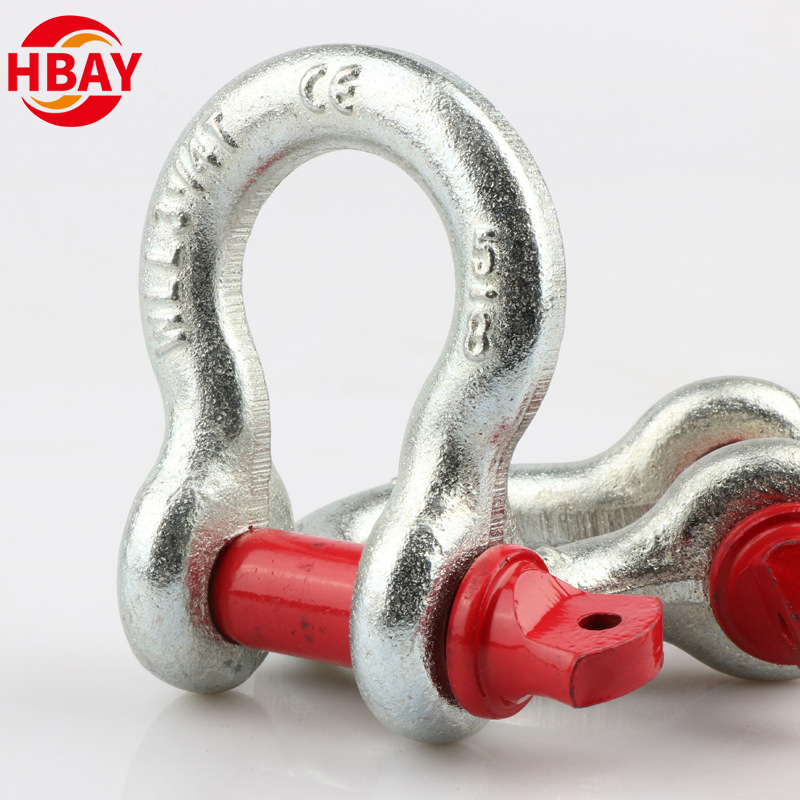
A shackle is a sturdy, U-shaped metal connector you use for rigging and lifting tasks. You see shackles in places where you need to join ropes, chains, or slings to secure heavy loads. Each shackle has a curved bow, a pair of ears for the pin, a detachable steel pin, and a shoulder that contacts the ear.
Component | Description |
Bow | The curved body of the shackle |
Ears | The threaded parts for the pin |
Pin | A detachable steel bolt |
Shoulder | The part of the pin that contacts the ear |
Shackles make lifting and connecting safer and more efficient in many industries.
Key Takeaways
Shackles are U-shaped metal pieces. People use them for lifting heavy things. They help keep loads safe when moving them.
Pick the right shackle for your work. Bow shackles are good for many connections. D shackles fit better in small spaces.
Always look at the working load limit. Check shackles for damage before you use them. This helps keep everyone safe.
Shackles can be made from carbon steel or stainless steel. The material changes how strong and tough they are. Choose the right one for your area.
Clean shackles often and check for rust. This helps shackles last longer. It also helps keep you safe.
What Is a Shackle
Structure and Components
You use a shackle when you need a strong connector. It helps with rigging and lifting jobs. The main part is a U-shaped body called the bow. There is also a pin that you can remove. The bow is the curved section of the shackle. The pin goes through the ears at the open end. You can take out or lock the pin easily. This lets you attach or release ropes, chains, or slings.
Component | Purpose |
Bow | Holds the load and connects to other hardware |
Ears | Support the pin and keep it straight |
Pin | Secures the connection and holds the weight |
Shoulder | Keeps the pin from moving out |
There are different shackles for different jobs. A d ring shackle has a straight side and a round end. This shape helps with straight pulls. A bow shackle has a bigger curve. It lets you connect more slings or chains. Some shackles have special coatings to stop rust. Hot-dip galvanized shackles and Electroplated zinc shackles last longer in tough places. Soft shackles are made from rope. They are light and strong for quick or flexible connections.
The shape of a shackle changes how much weight it can hold.
A wider bow spreads the weight better. This lowers stress and helps prevent breaking.
The contact width shows how much weight spreads across the shackle.
Anchor shackles only use about 75% of the inside width for spreading weight. You need to think about this when you check safe working loads.
Tip: Always read the specs and pick the right shackle for your job. The right design keeps you safe and makes work easier.
Basic Function
Shackles help you make a strong link between slings, chains, ropes, and the load. Their main job is to give a safe place to attach things. When you lift heavy stuff, the shackle holds everything together. It keeps the load steady.
A shackle is an important connector for lifting heavy things. You use it to join slings, hooks, and crane blocks to the load. This makes lifting safe and works well in shipping, building, or mining. The pin can be removed fast. This lets you attach or take off the shackle quickly. It helps you move loads faster.
You see shackles in many jobs because they make lifting safer. For example, you use a shackle to connect a sling to a steel beam. You can also use it to hold a chain around a shipping container. The strong metal and tight pin stop the load from slipping or moving while lifting.
When you pick a shackle, you must check the working load limit. You also need to know what kind of connection you want. Some shackles, like the 6:1 Release the shackle, are easy to open for quick changes. Always follow safety rules and look at your shackles before you use them.
Main Uses of Shackles
Industrial Applications
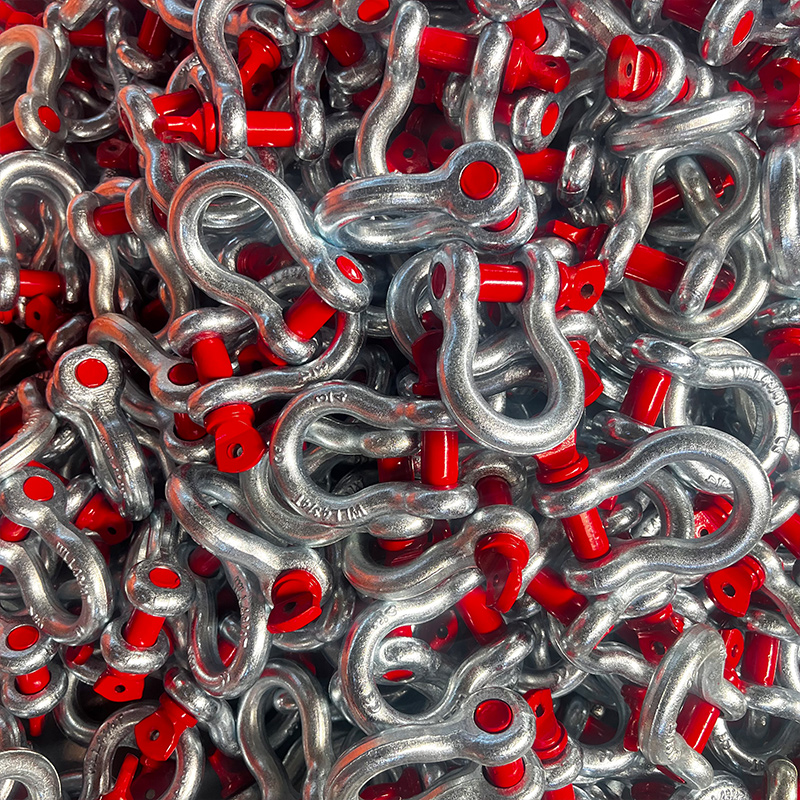
Shackles are used in many jobs where safety matters. You see them in oil, gas, energy, and mining. These places need shackles for lifting heavy things and working underwater. Hydraulic release shackles help build big platforms and pipes in the sea. More than half of heavy lifts use special load shackles to stay safe. Shackles help with towing, tying down, lifting, and pulling. Picking the right rigging shackle stops injuries and damage. In engineering and stage work, shackles join gear and keep loads safe. This makes your work safer and more dependable.
Tip: Always look at the working load limit before you lift with shackles. This keeps everyone safe and protects your tools.
Marine and Boating
Shackles are very important on boats and ships. You use them to join chains, ropes, and anchors. Anchor shackles have a big curve for loads from many sides. Chain shackles work best when you pull straight. You can pick screw pin, captive pin, bolt pin, or snap shackles for different boat jobs. Some shackles have coatings to stop rust and last longer in saltwater. About half of lifting and mooring on water uses shackles. Never shock load shackles and always take out broken ones to stay safe.
Rule | Safety Consideration |
6 | Do not shock load shackles. |
7 | Follow rules for heat and chemicals. |
9 | Remove broken shackles from use. |
Construction and Rigging
Shackles are used every day in building and rigging. They make fast and strong links between cranes, slings, and heavy things. Wide shackles help slings last longer and cost less to replace. Some shackles can lift over 1,500 metric tons. They are needed for moving big steel beams, concrete, and machines. New shackling systems show data to help lift safely. Shackles change to fit hard jobs and help move things smoothly. Soft shackles are good for light loads and easy to use.
Lifting heavy things in building work
Joining cranes to loads for safety
Lifting steel, concrete, and machines
Making work safer and faster with new shackling systems
Types of Shackles
There are many shackles for different jobs. Each type has its own shape and use. Knowing these helps you pick the right one.
Bow Shackles
Bow shackles have a round shape. You use them to join many slings or chains. The wide bow lets you pull from many sides. Bow shackles are good for hard lifting, towing, and anchors. People use them in off-road and boat work.
Feature/Application | Description |
Rounded design | Lets you pull from different angles. |
Good for hard lifting | Best when loads move or need many links. |
Common uses | Lifting, towing, anchors, off-road, boats |
Bow shackles are best for tough lifts.
Use them when you need many links.
They work well if loads move around.
If you want a strong bow shackle, check our Hebei Anyue Metal Manufacturing Co., Ltd.. We have Bow Shackles and D Ring Shackles with coatings that stop rust.
D Shackles
D shackles have a straight side and a curved end. You use them for straight pulls and tight spaces. Their small shape lets them hold more weight. D shackles are used in boats, rigging, and factories.
Feature | Bow Shackle | D Shackle (Dee Shackle) |
Shape | Round, looks like a U | Looks like a D |
Inside Space | Big space for many links | Small space for straight pulls |
Usage | Lifting, towing, anchors | Boats, rigging, factories |
Load Spread | Spreads weight better | Holds more weight in small space |
Best For | Big things or many links | Tight spots or straight pulls |
Pick D shackles for strong, straight links. D ring shackles come in many sizes.
Chain Shackles
Chain shackles are thin. You use them to join chains or other gear. They work best for straight pulls.
You can lift heavy things in factories and building sites.
Chain shackles help with towing jobs.
Use them to hold loads in work places.
Chain shackles give you a safe link for hard jobs.
Specialty Shackles
Specialty shackles include soft shackle, 6:1 Release the shackle, and custom types. Soft shackles are made from rope. They are light and easy to use. The 6:1 Release the shackle opens and closes fast. Specialty shackles are for special lifting needs.
Tip: Always check how much weight your shackle can hold. Pick the right type for your job. The right shackle keeps you safe and helps you work better.
Shackle Materials & Manufacturing
Common Materials
It is important to know what makes a shackle strong. Shackles are made from different metals and fibers. Each material works best for certain jobs. Look at the table to see what each material does and where you use it:
Material | Properties | Applications |
Carbon Steel | Strong, tough, and not expensive; heat-treated to make it harder and bend without breaking | Used for lifting in factories, warehouses, and building sites |
Alloy Steel | Very strong for its weight; works well in hot or cold places | Used for lifting heavy things with big machines; good for jobs with sudden force |
Galvanized Steel | Does not rust easily because of a special coating | Used outside, on boats, and in wet places |
Stainless Steel | Does not rust; has a layer that fixes itself | Used on boats, in food factories, and in places that must be clean |
Carbon steel is used a lot because it is strong and cheap. Alloy steel is better for very heavy jobs. Galvanized shackles and zinc shackles do not rust, so you use them outside or near water. Stainless steel is best for places that get wet or need to stay clean. Soft shackles are made from strong fibers like Dyneema. These are light and easy to use for quick jobs.
The material you choose changes how strong your shackle is. Alloy steel shackles are good for heavy loads and hard work. Stainless steel shackles last longer in wet or salty places. D ring shackle made from alloy steel is strong for straight pulls.
Manufacturing Process
Shackles must be safe and work well. Makers follow careful steps to build each shackle. Here is how they do it:
Workers make special tools to shape the shackle.
Steel pieces are heated until they are very hot.
Hot steel is shaped with big hammers.
Shackles are made harder by heating and cooling them fast.
Holes are drilled and parts are put together.
Each shackle is tested to make sure it is strong.
Shackles get a coating or are dipped to stop rust.
Shackles are sent to stores.
Shackles are checked three times for quality. They are tested for metal type, hardness, and how much weight they hold. Hebei Anyue Metal Manufacturing Co., Ltd. uses special machines and heat to make shackles stronger than normal ones. Shackles have a grip design and are tested many times to keep you safe. Shackles with ISO 9001 and CE marks meet strict safety rules.
Tip: Always look for ISO 9001 and CE marks before using shackles for lifting. Certified shackles help keep you safe and stop accidents.
Shackle Selection & Safety
How to Choose
Pick the right shackle for your job. First, check the working load limit. The shackle must hold your load safely. Bow shackles work for loads from many sides. Dee shackles are good for straight pulls. Pick a pin type that fits your job. Screw pin shackles are quick and easy to use. Bolt-type shackles are safer for long jobs. Think about where you will use the shackle. Stainless steel shackles do not rust in wet places. Hot-dip galvanized and Electroplated zinc shackles last longer outside. Make sure your shackle matches your other gear.
Environment | Recommended Shackle Type |
Construction & Infrastructure | Alloy D shackles with screw pins for fast, repetitive lifts |
Offshore & Marine | Stainless bow shackles with safety pins for harsh, vibrating environments |
Utilities & Telecom | Small galvanised D shackles for lightweight, everyday rigging |
Warehousing & Logistics | Bow shackles that handle multiple sling connections with ease |
If you need help, our team can give free advice. We help you pick the right shackle for your job.
Safety Guidelines
Always follow safety rules when using shackles. Check shackles before you use them. Take out any shackle that looks damaged. Use the right shackle for your job. Make sure the pin is tight and in place. Put the load in the center of the bow. Never use a different pin. Only use the pin that came with the shackle. Follow the working load limit on the shackle. Stay away from high heat and strong chemicals. Connect slings and hardware the right way. Think about sling angles when lifting with more than one sling.
Tip: Always check for cracks, bends, or rust. Do not use a shackle if you see damage.
Maintenance Tips
Take care of your shackles so they last longer. Look at shackles every day for damage. Watch for bending, warping, cracks, or rust. Make sure the pin turns easily and fits well. Put oil on the pin threads to stop rust. Keep shackles in a dry, clean place. Clean and dry shackles after using them in tough places. Use shelves or boxes to keep shackles off the ground.
Check shackles before each use and every shift.
Plan yearly checks, or more often if needed.
Our team helps you fix problems and keep shackles working.
"I got shackles from Hebei Anyue. Delivery was fast and advice was great. The team helped me choose the best shackle for my project." — User Review
Contact us for free help and support. Your safety matters to us!
A shackle is shaped like a U and holds heavy things. It has a pin you can take out. People use shackles for lifting, towing, and tying things down. There are bow shackles, d ring shackles, and soft shackles for different jobs. Always pick shackles made from strong materials like hot-dip galvanized or electroplated zinc. Check if the shackle has the right safety marks. Look at your shackles before you use them each time. Ask experts or companies like Hebei Anyue Metal Manufacturing Co., Ltd. if you need help.
FAQ
What is the difference between a Hot-dip galvanized shackle and an Electroplated zinc shackle?
Shackle Type | Rust Protection | Best Use |
Hot-dip galvanized shackle | High | Outdoor, marine |
Electroplated zinc shackle | Moderate | Indoor, light-duty |
You choose Hot-dip galvanized shackles for tough, wet jobs. Electroplated zinc shackles work well inside.
How do you select the right d ring shackle for lifting?
You check the working load limit first. You match the shackle size to your sling or chain. You pick alloy steel for heavy loads. You look for safety marks like ISO 9001 and CE.
When should you use a soft shackle?
You use a soft shackle when you need a light, flexible connector. Soft shackles work well for quick jobs, off-road recovery, and places where metal can scratch surfaces.
What makes the 6:1 Release the shackle special?
You open and close the 6:1 Release the shackle quickly. This shackle lets you change connections fast. You use it for jobs that need speed and safety.
How do you keep shackles safe and long-lasting?
You inspect shackles before each use. You clean and dry them after wet jobs. You store shackles in a dry place. You oil the pin threads to stop rust. You ask Hebei Anyue Metal Manufacturing Co., Ltd. for help if you need advice.

 English
 العربية
 Français
 Русский
 Español
 Português
 Deutsch
 italiano
 日本語
日本語 한국어
한국어 Nederlands
 Tiếng Việt
 ไทย
ไทย Polski
 Türkçe
 ພາສາລາວ
 ភាសាខ្មែរ
 Bahasa Melayu
 ဗမာစာ
ဗမာစာ தமிழ்
தமிழ் Filipino
 Bahasa Indonesia
 magyar
 Română
 Монгол
 қазақ
қазақ हिन्दी
 فارسی
فارسی Norsk
Norsk Svenska
 українська
 Ελληνικά
 Suomi
Suomi עברית
עברית Latine
 Dansk
Dansk اردو
اردو Shqip
Shqip বাংলা
বাংলা Afrikaans
 Gaeilge
 नेपाली
 Oluganda


