
Hebei Anyue Metal Manufacturing Co., Ltd.
Professional hardware rigging manufacturing enterprise
- All
- Product Name
- Product Keyword
- Product Model
- Product Summary
- Product Description
- Multi Field Search
English


Product Advantage
The G80 heavy-duty mining lifting hook is meticulously forged from premium-grade alloy steel, delivering exceptional structural integrity for demanding lifting operations. Engineered with a tensile strength exceeding 600MPa, this high load-bearing hook provides the foundational reliability required for heavy industrial tasks. Through advanced heat treatment processes, the material achieves an optimized hardness level of HRC40-50, effectively improving wear resistance by 30% compared to standard alternatives.
Safety and compliance are paramount in lifting equipment. This forged lifting hook is fully certified according to the rigorous ISO4309 standard. It has successfully passed a stringent 5-fold safety factor test, ensuring it can handle sudden stress spikes without deformation. Furthermore, the robust material composition guarantees stable and secure operation across extreme temperature environments ranging from -20 ℃ to 150 ℃, effectively eliminating the risk of brittle fracture in freezing conditions or structural weakening in high-heat settings.
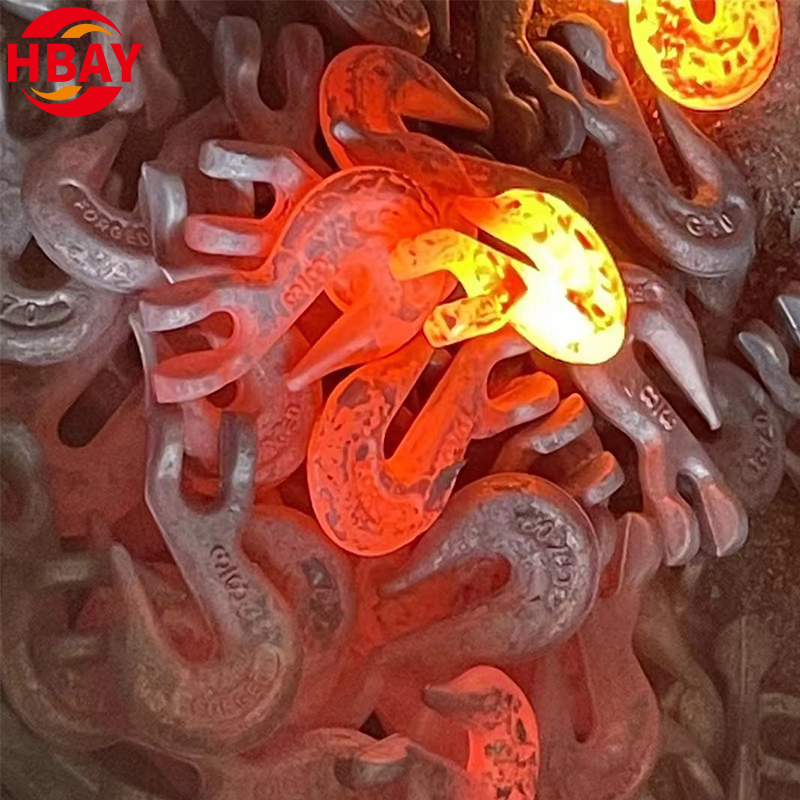
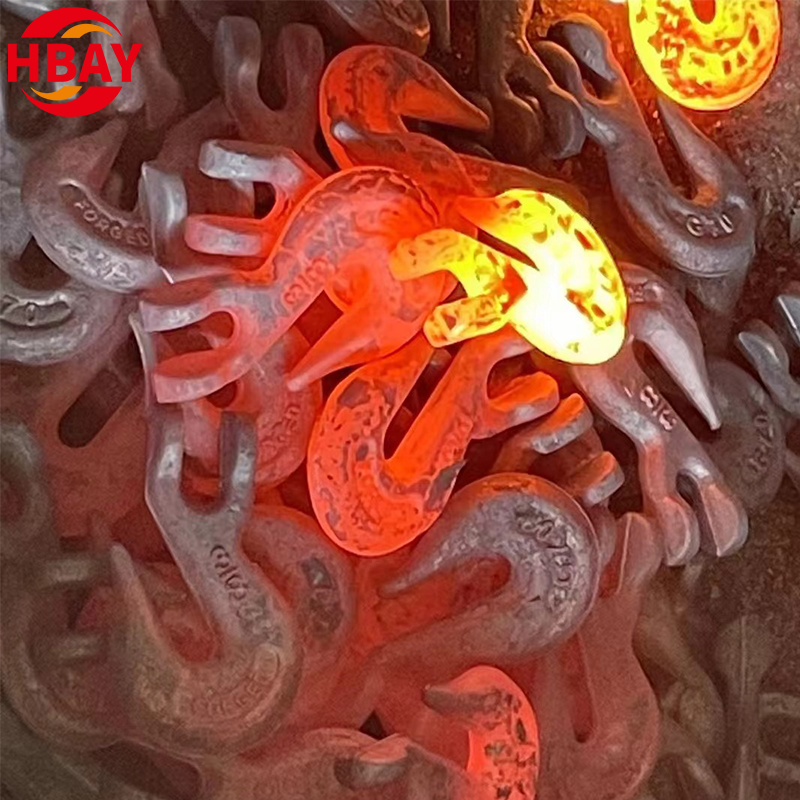
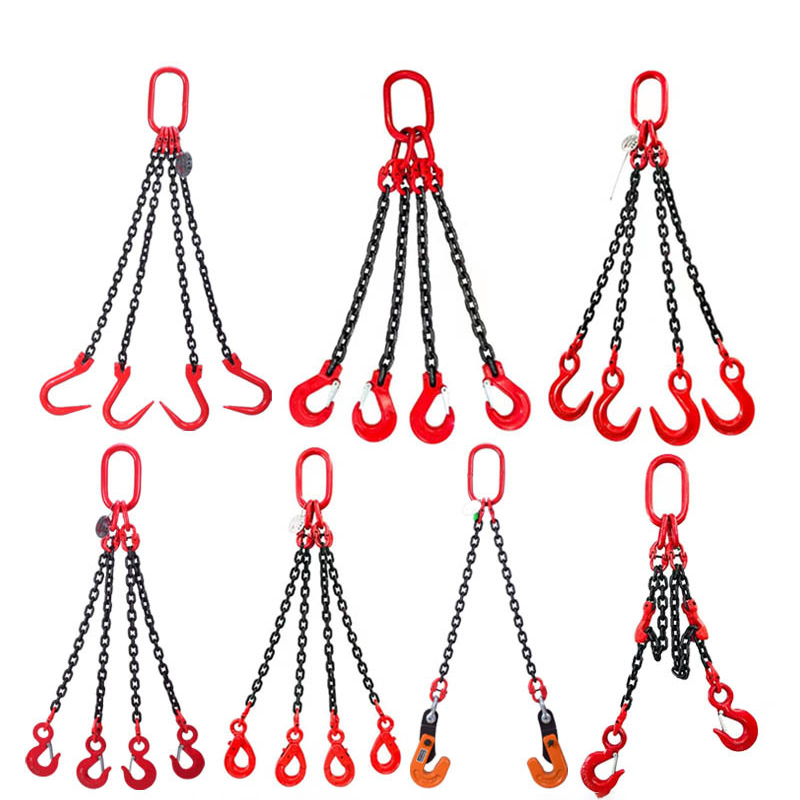
To accommodate diverse lifting requirements, our rigging hooks are available in multiple configurations, including single hooks, double hooks, and rotating hooks. The product line offers comprehensive load coverage, featuring rated capacities ranging from 500kg up to heavy-duty 200 tons.
The design incorporates innovative functional elements such as anti-detachment safety claws and quick-connection devices. These features significantly enhance rigging efficiency while preventing accidental load slipping during transit. By focusing on versatile structural adaptability, these hooks provide reliable connection points for complex material handling scenarios, ensuring seamless integration with various lifting mechanisms and hoist systems without needing constant equipment changes.
Industrial environments demand equipment that can withstand harsh, corrosive conditions. To address this, the surface of the lifting hook utilizes advanced galvanized and Dacromet anti-corrosion technologies. This superior coating ensures excellent rust resistance, proven by enduring over 500 hours of continuous salt spray testing without any signs of corrosion.
Beyond surface treatment, the mechanical components are designed for longevity. The hook tongue is precision-machined using CNC technology, which ensures a tight, secure fit and reduces operational friction loss by 40%. This meticulous craftsmanship contributes to an extended service life of over 10 years under standard usage. When combined with a regular lubrication schedule, the optimized mechanical design helps facilities reduce overall maintenance costs by up to 60%. These high-strength, anti-slip safety lifting devices are specifically built to maintain peak performance during long-term, heavy-load conditions.
Understanding that standard specifications may not meet every unique project requirement, we offer comprehensive non-standard customization services. Our engineering team provides flexible adaptation solutions, capable of completing detailed scheme designs within 72 hours based on specific working condition requirements.
To guarantee reliability before deployment, we provide essential value-added services, including comprehensive load testing and fatigue life testing. Over the years, we have successfully delivered exclusive lifting solutions for more than 3,000 enterprises globally, achieving a customer satisfaction rate of over 98%. This commitment to tailored engineering and rigorous quality assurance ensures that every lifting hook integrates perfectly with your operational demands, reducing procurement risks and enhancing overall project safety.
Product Parameters
Review the detailed technical specifications of the G80 Heavy-Duty Mining Lifting Hook below. These parameters are provided to assist engineering and procurement teams in verifying product compatibility with specific load capacities, environmental conditions, and operational requirements.
| Parameter | Technical Specifications | Product Advantages |
Material | High-quality alloy steel (35CrMo/42CrMo) | High strength, wear-resistant, certified by GB/T10051.1-2010 |
Rated Load | 1T/2T/3T/5T/10T/20T/50T (customizable) | Safety factor ≥4, ensuring reliable operational safety |
Operating Temperature | -40℃ ~ +200℃ | Special coating withstands up to 300℃ |
Anti-corrosion Treatment | Galvanized / Dacromet / Stainless steel (optional) | Salt spray test ≥600 hours, suitable for humid/corrosive environments |
Rotation Angle | Fixed / 180° / 360° rotation | Low-torque design for smooth operation |
Throat Opening | 30mm–300mm (matched to load capacity) | Precision machining, tolerance ≤±1% |
Weight | 2.5kg (1T) – 85kg (50T) | Lightweight design, 15% lighter than conventional hooks |
Safety Latch | Standard anti-release device (auto/manual optional) | Complies with EN1677, 100% anti-release guarantee |
Surface Finish | Polished / Sandblasted / Coated (optional) | Reduces friction, extends service life |

Various lifting hook configurations available to meet specific industrial load and application demands.
Product Applications
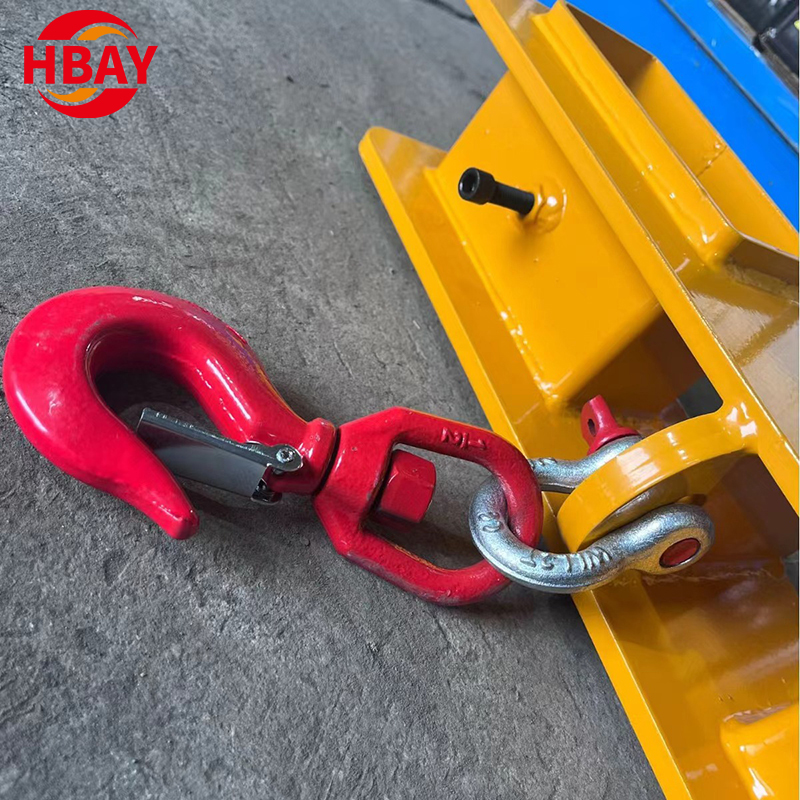
In the demanding environment of high-rise building construction and bridge erection, reliable lifting equipment is paramount. These heavy-duty crane hooks are widely integrated into tower cranes, truck cranes, and other critical hoisting machinery. They are engineered for the safe, efficient lifting of heavy building materials, including reinforced steel bars and large precast concrete components. Capable of withstanding substantial working loads ranging from 5 to 50 tons, the hook features a 360-degree rotating design. This free-rotation capability significantly enhances operational flexibility, preventing wire rope twisting and ensuring precise load placement during complex construction operations.
Maritime logistics require equipment capable of withstanding harsh, corrosive environments while maintaining high operational efficiency. In dock gantry cranes and quay crane systems, these lifting hooks are essential for the rapid and secure handling of shipping containers and bulk cargo. To combat the severe conditions of marine salt spray, the hooks undergo advanced Galvanized or Dacromet anti-corrosion treatments, ensuring long-term structural integrity. Furthermore, they come equipped with a standard anti-stripping lock design that strictly complies with EN1677 certification. This safety mechanism guarantees secure maritime operations, effectively reducing the risk of cargo detachment during rapid loading and unloading cycles.
The installation of renewable energy infrastructure, particularly wind turbine blades, presents unique aerial positioning challenges often compounded by extreme climates. These lifting hooks are specifically treated to maintain exceptional low-temperature toughness down to -40 ℃, while their specialized high-temperature resistant coating can withstand environments up to 200 ℃. This makes them highly adaptable to severe weather conditions. The specialized rotating structure allows operators to achieve precise aerial positioning of delicate turbine components. To guarantee long-term reliability and structural safety under dynamic wind loads, each hook design has successfully passed rigorous 20,000 fatigue tests.
Underground and open-pit mining operations expose lifting hardware to severe abrasion and continuous heavy loads. These hooks are expertly designed for connecting mine hoists and heavy-duty mining cars. Manufactured from ultra-resistant running-in steel, they provide exceptional resistance against the constant friction loss caused by abrasive ores and rough handling. The robust 50-ton heavy-duty hook is specially equipped with dual safety locks. This redundant safety feature is crucial for ensuring the absolute security of continuous underground hauling operations, effectively minimizing downtime and reducing the frequency of equipment replacement in harsh mining environments.
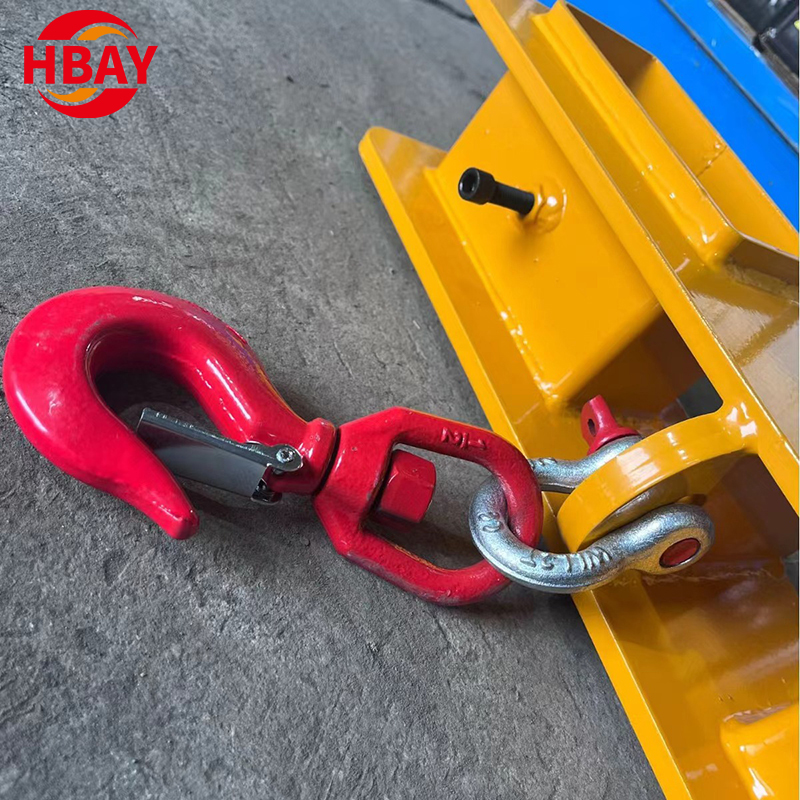
To ensure maximum safety and prolong the service life of the lifting equipment, operators must strictly adhere to the following standardized procedures:
FAQ
A lifting hook is a critical component of rigging and lifting equipment, designed for engaging, connecting, and securely hoisting heavy loads. Typically manufactured from high-strength alloy steel or stainless steel, it serves as an essential connection point in various machinery, including overhead cranes, manual hoists, chain blocks, and electric hoists.
The material selection depends on the specific working environment and load requirements. Common materials include:
Lifting hooks come in various designs to suit specific rigging configurations and operational needs:
The operational lifespan of a lifting hook heavily depends on the frequency of use, load weights, and the working environment. There is no fixed expiration date; instead, regular condition monitoring is crucial. For hooks utilized in high-intensity or harsh work environments, it is strongly recommended to conduct professional non-destructive testing (NDT) and comprehensive visual inspections at least every 6 months to ensure continued safe operation and prevent metal fatigue failures.
The most effective method to prevent sling slippage is to use a lifting hook equipped with a functional, spring-loaded safety latch (safety buckle). The latch ensures the throat remains closed during the lift. If a hook without a built-in latch must be used for specific applications, the load must be secured using appropriate rigging techniques, such as incorporating wire rope clips, specialized shackles, or safety release buckles, ensuring the sling remains firmly seated in the bowl of the hook at all times.


